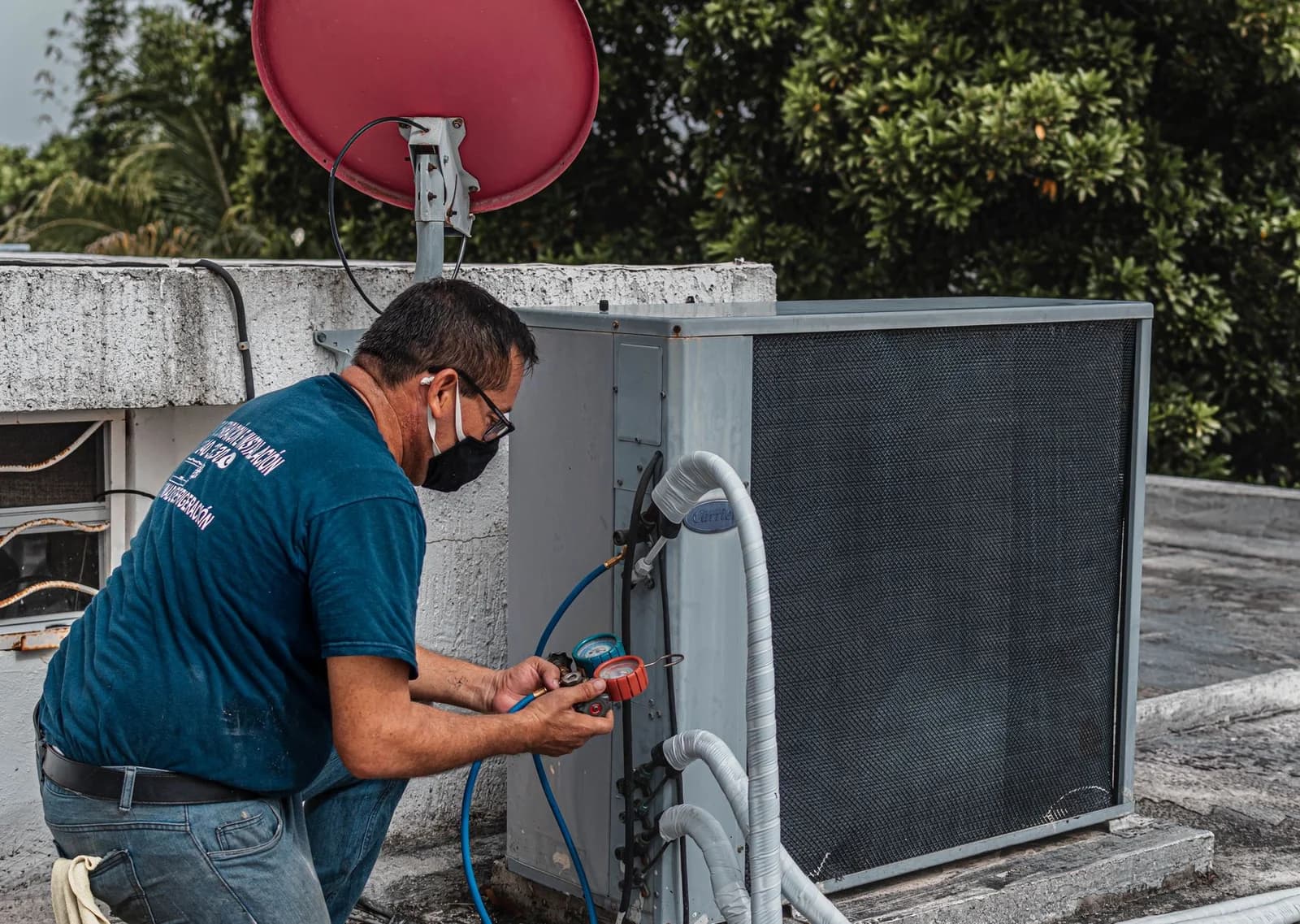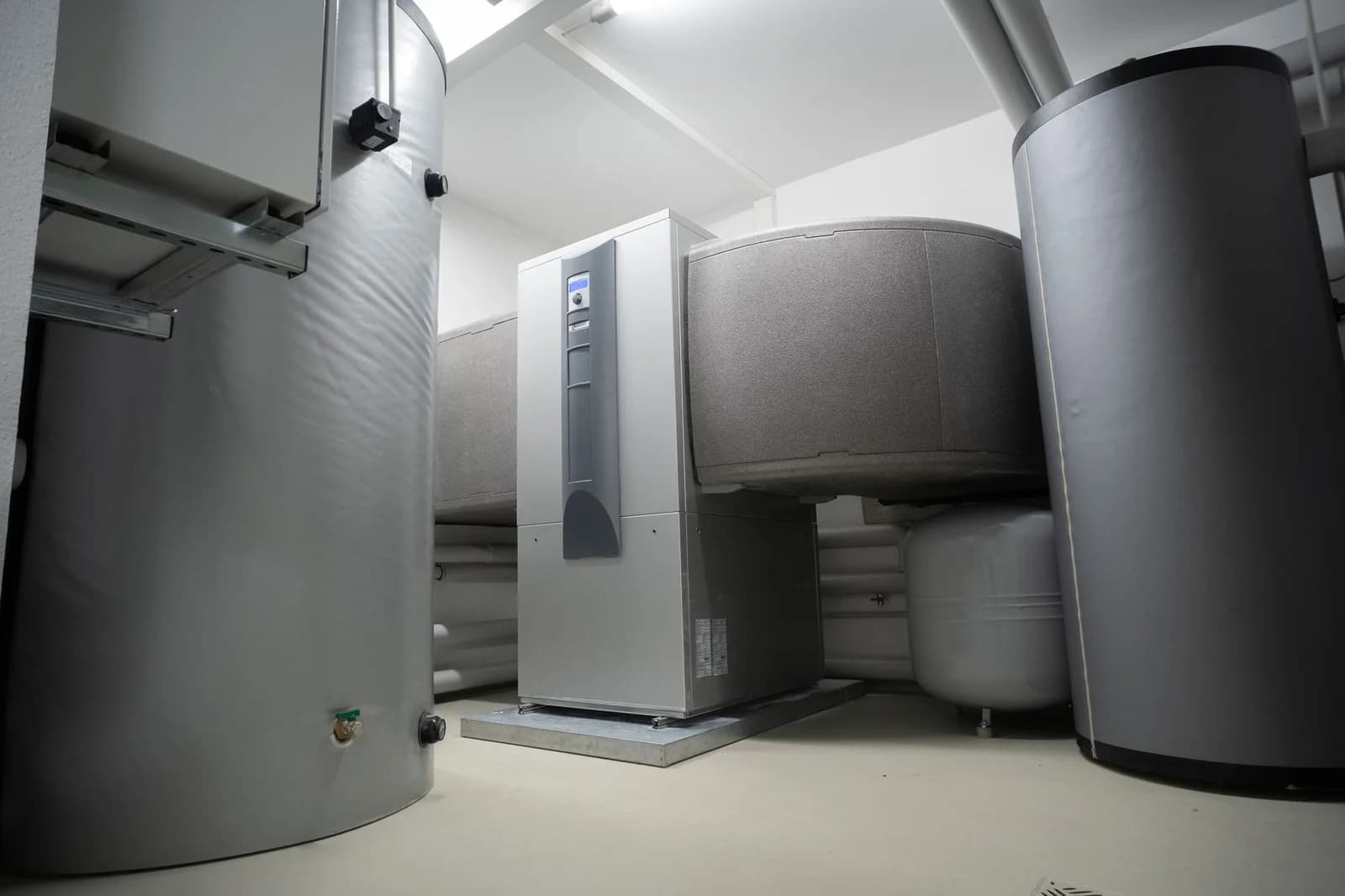
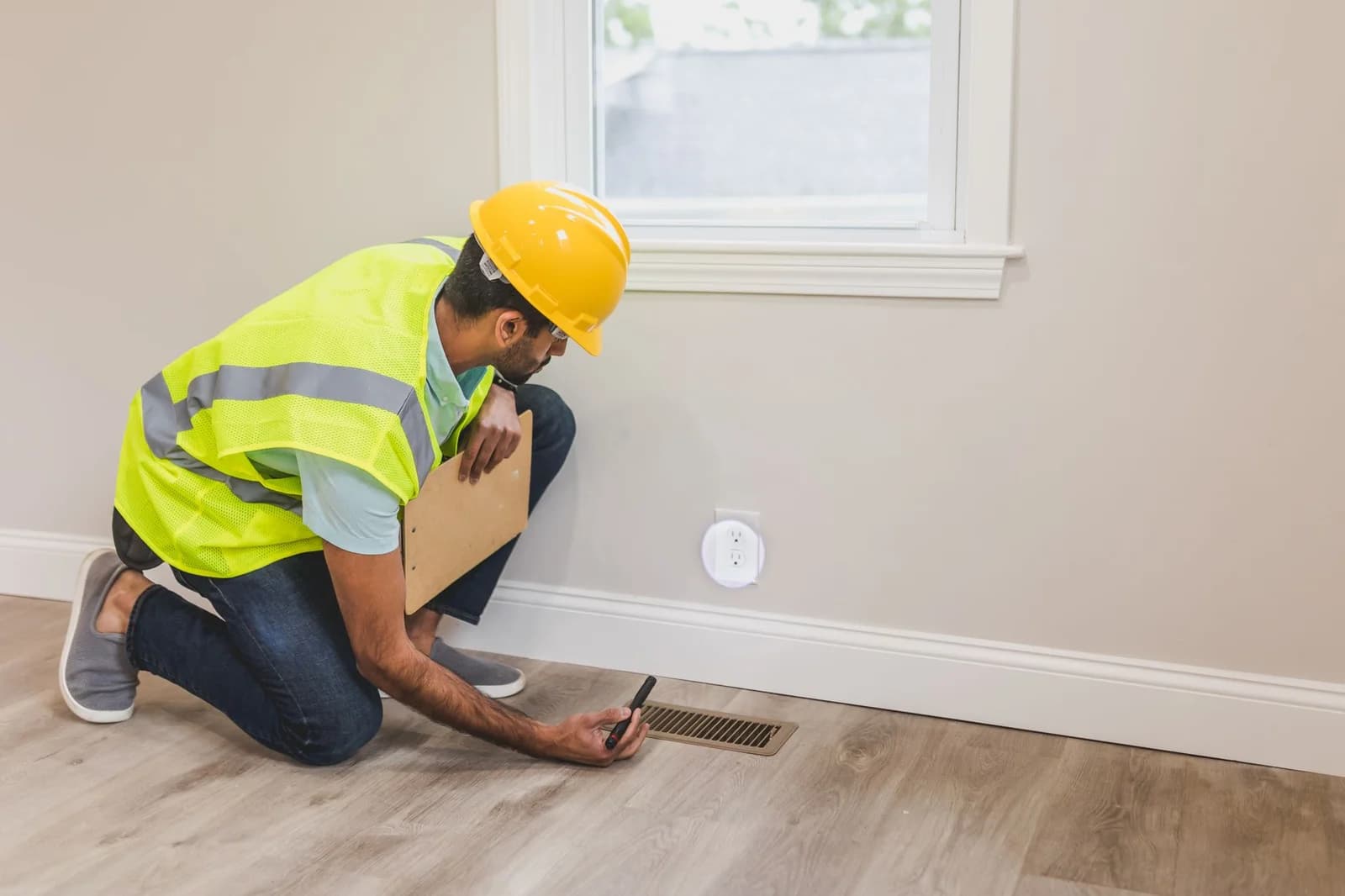
A furnace inspection in Westwood should tell you three things: whether your furnace is safe, whether it is running the way it should, and what it needs next. Many visits skip the middle part and leave you with a sticker on the door. A real inspection takes the panels off, measures what the furnace is doing, and gives you the results on paper. Here is what ours covers and how it differs from a basic tune up.
Inspection vs tune up
The two get mixed up, and the difference matters when you compare quotes.
A tune up is mostly cleaning and adjusting. The tech clears dust, checks the filter, sets the burner and leaves. An inspection starts with diagnosis. We measure, test the safety controls, look for wear and damage, and then decide what needs cleaning or adjusting.
On our visits the two go together. We inspect first, so the cleaning goes where the furnace needs it. Our heating maintenance service covers both in a single visit.
Most Westwood heating tune-ups run $119 to $340 depending on system type and access. A wall furnace in an open hallway costs less to reach than an attic unit behind a tight hatch. We give you the price before work starts.
The checklist
This is what we go through on a gas furnace. Your unit may need more, and we note anything extra on your report.
- Thermostat: calibration, wiring and whether it calls for heat when it should
- Filter and return: condition, size and airflow at the return
- Burners and flame: clean, even flame and correct ignition
- Heat exchanger: visual check for cracks, rust and burn marks
- Flue and venting: secure connections, correct slope and no signs of backdraft
- Gas connection: a check for leaks at the fittings
- Blower motor and wheel: cleanliness, bearing wear and smooth rotation
- Capacitor and electrical connections: wear, looseness and heat damage
- Safety controls: limit switch, flame sensor and pressure switch operate as designed
- Condensate drain and lines on high-efficiency units: clear and flowing
- Supply and return registers: airflow at each, and anything blocked
- Carbon monoxide: a reading at the supply and a check on your alarms
Noise and vibration diagnosis
Our focus is diagnostics and quiet systems, so noise gets its own step. A furnace tells you a lot with its sounds, if someone listens.
- A rattle often means a loose panel, a worn blower wheel or something in the ductwork
- A squeal can point to a dry motor bearing or a slipping belt on older blowers
- A boom or bang on start can mean delayed ignition from dirty burners
- A hum with no airflow may be a failing capacitor or motor
- A whistle at the registers usually means restricted airflow, such as a clogged filter or undersized duct
We run the furnace through a full cycle with you nearby, and we listen at the cabinet, at the return and at the supply registers. We also check mounting, vibration pads and duct connections, since a quiet furnace in a noisy duct still sounds like a problem upstairs.
If the noise points to a repair, you hear it before any work starts. Our heating repair team can usually fix the cause on the same visit if parts are on hand. Otherwise we book the next step.
Written findings
You should leave with something you can read. After each inspection you get a written summary that covers:
- What we checked and what passed
- Any readings we took, including combustion and carbon monoxide
- What we found worn, dirty or out of spec
- What needs attention now, what can wait, and what is only worth watching
- A written quote for any repair, before work begins
That summary is useful in two ways. It tells you what to budget for, and it gives you a record if you sell the home or hand it to a new owner. We list problems in plain words, and we separate the urgent from the optional. If a furnace is near the end of its useful life, we say so, and we show you what replacement involves on our heating installation page. If it has plenty of life left, we say that as well.
When to book (before winter, before buying)
Two moments are worth marking on the calendar.
Before winter. Book in early autumn, while schedules are open and parts are easy to get. A furnace that has sat idle since spring can hide a cracked part, a dead igniter or a stuck blower. Finding that on a mild day beats finding it on a cold night.
Before buying. If you are buying a Westwood home, a furnace inspection tells you what you are getting. A home inspector usually checks that the furnace turns on. We go further and test the heat exchanger, the safety controls and the venting. The report gives you facts for your negotiation.
You can also book any time you notice a new noise, a rise in your gas bill, uneven rooms or a smell when the furnace starts.
FAQ
How is a furnace inspection different from a tune up?
An inspection is diagnosis: measuring, testing and documenting. A tune up is the cleaning and adjusting that follows. We do both on one visit, so the work is aimed at what your furnace needs.
How much does a furnace inspection cost in Westwood?
Most Westwood heating tune-ups run $119 to $340 depending on system type and access. Your quote is written before work starts, so you know the number first.
How long does it take?
It depends on the furnace and how easy it is to reach. A clear closet unit goes faster than an attic furnace. We will give you a time window when you book.
Does the inspection include a carbon monoxide check?
Yes. We take readings during the run cycle and look at the heat exchanger. California law requires carbon monoxide alarms in homes with a fuel-burning appliance, a fireplace or an attached garage, so we also check yours.
Can you inspect a furnace I am about to buy with the house?
Yes. We test the same items and write up the results, so you can see what the furnace needs before you close.
What if you find a problem?
We explain it, show you the part or reading, and put the repair quote in writing. You decide whether to go ahead. Nothing is done without your yes.
Ready to have your furnace looked at properly? Call (877) 549-5274 and Westwood Cooling will book your inspection.
Need Professional HVAC Service?
Our HVAC-experienced technicians are ready to help with all your AC and heating needs. Contact Westwood Cooling today for expert service throughout the the UCLA corridor service area.