
Why the Outdoor Unit Deserves Its Own Careful Look
The condenser sitting outside your home in Bel Air or Brentwood works through wind, sun, and canyon debris every day of the year, yet it is the part of your HVAC system most homeowners never actually look at closely. When we schedule a condenser inspection, we treat it as its own visit with its own sequence of checks, not a quick glance on the way to somewhere else. Here is what that visit covers, step by step, and why each part matters for hillside and canyon-adjacent properties specifically.
Starting With the Site, Not the Equipment
Before we look closely at the unit itself, we look at where it sits. A unit that faces straight into the canyon's prevailing gusts fills with leaves and grit noticeably faster than one positioned behind a low hedge or garage wall, so we map which direction the wind typically comes from across your specific lot before forming any opinion about screening, rather than simply measuring the shortest line from the air handler to an outside wall. We walk the property first to understand what the unit is actually exposed to before forming any opinion about its condition.
Checking the Coil Fins and Cabinet Condition
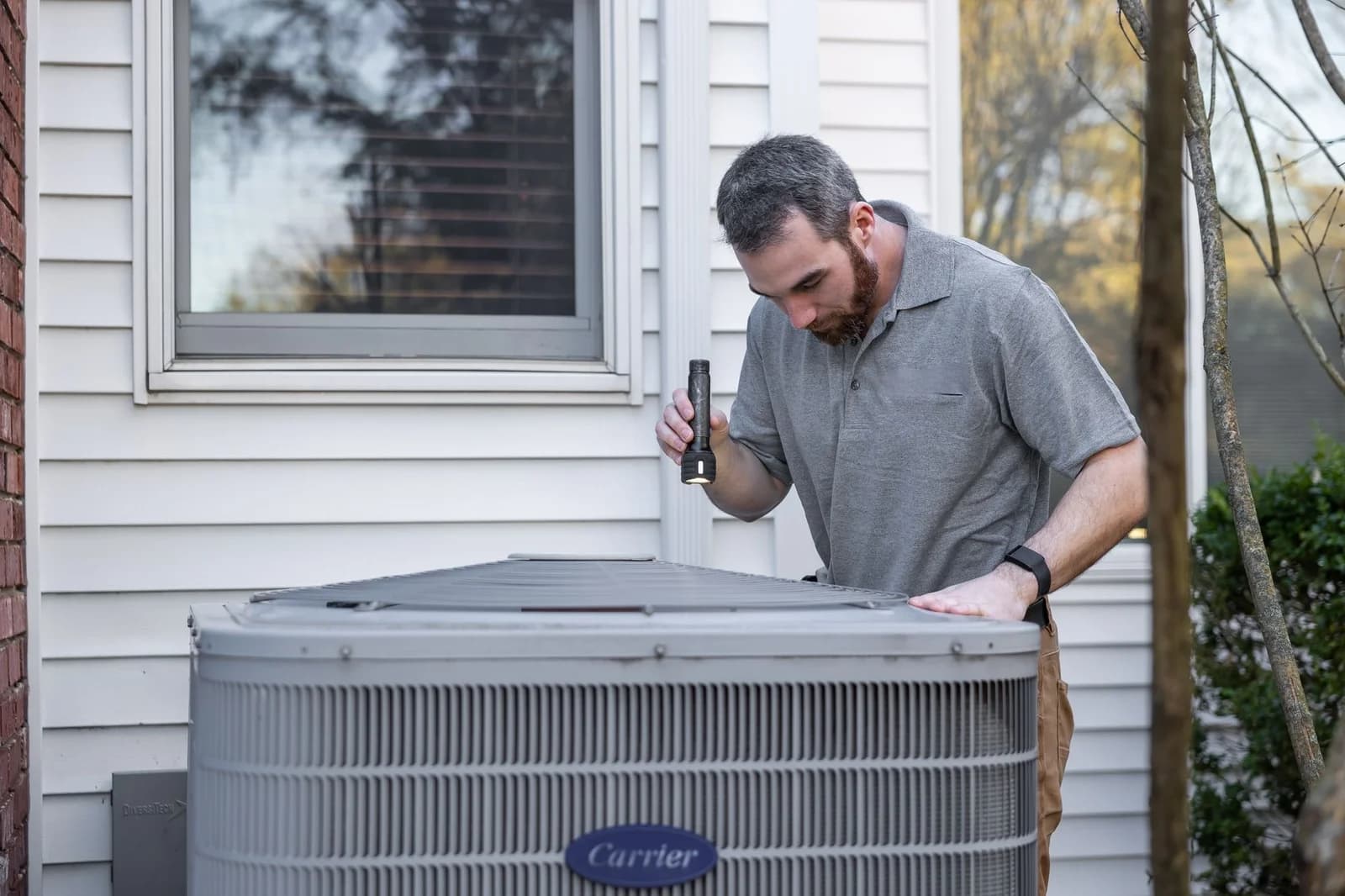
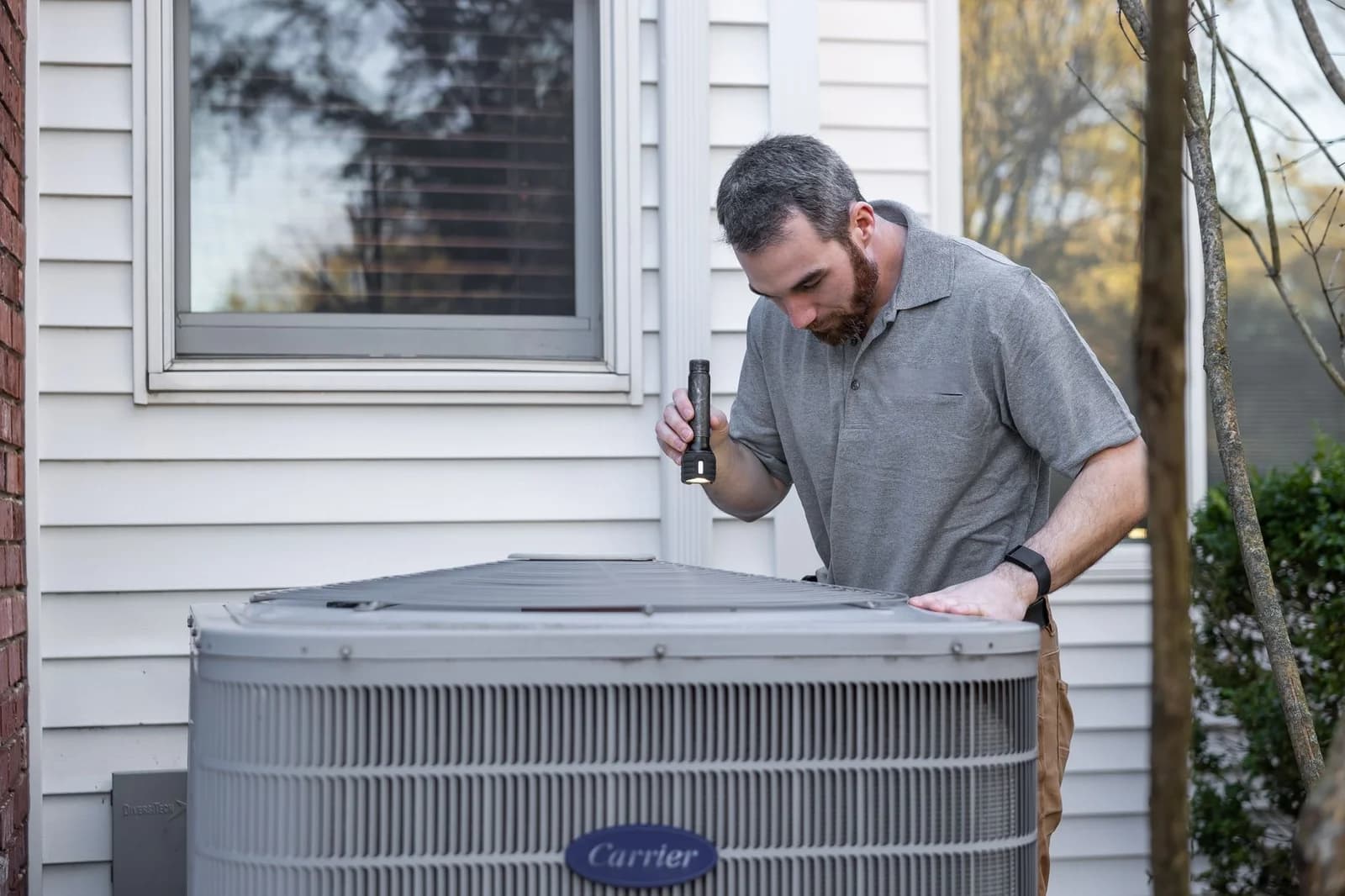
With the site understood, we look closely at the coil fins for bending, packed debris, and fine dust that reduces heat exchange even when nothing looks obviously wrong. We check the cabinet for rust, especially around seams and screws, and we look at whether the unit's finish shows early wear that could point toward a longer-term corrosion issue.
Assessing Wind and Debris Exposure
Canyon terrain around Bel Air and Brentwood creates wind patterns that flat Westwood lots rarely see, and oak, eucalyptus, and pine near a property shed differently across the year in ways that affect how fast debris builds back up after a cleaning. We note what kind of vegetation sits near the unit and how exposed it is to seasonal wind, since that assessment drives our screening recommendation more than a generic rule of thumb would.
Looking at Defensible Space Near the Brush Line
For properties near the brush line, we check the unit's placement relative to dry vegetation, wood fencing, and dense shrubs, since Los Angeles Fire Department defensible space guidance governs what can sit near a home in these areas. The unit itself is not combustible the way vegetation is, but debris collecting in and around the coil can matter if the property ever faces a fire safety review, so we note this clearly when it applies rather than treating it as an afterthought.
Electrical Connections and Refrigerant Lines
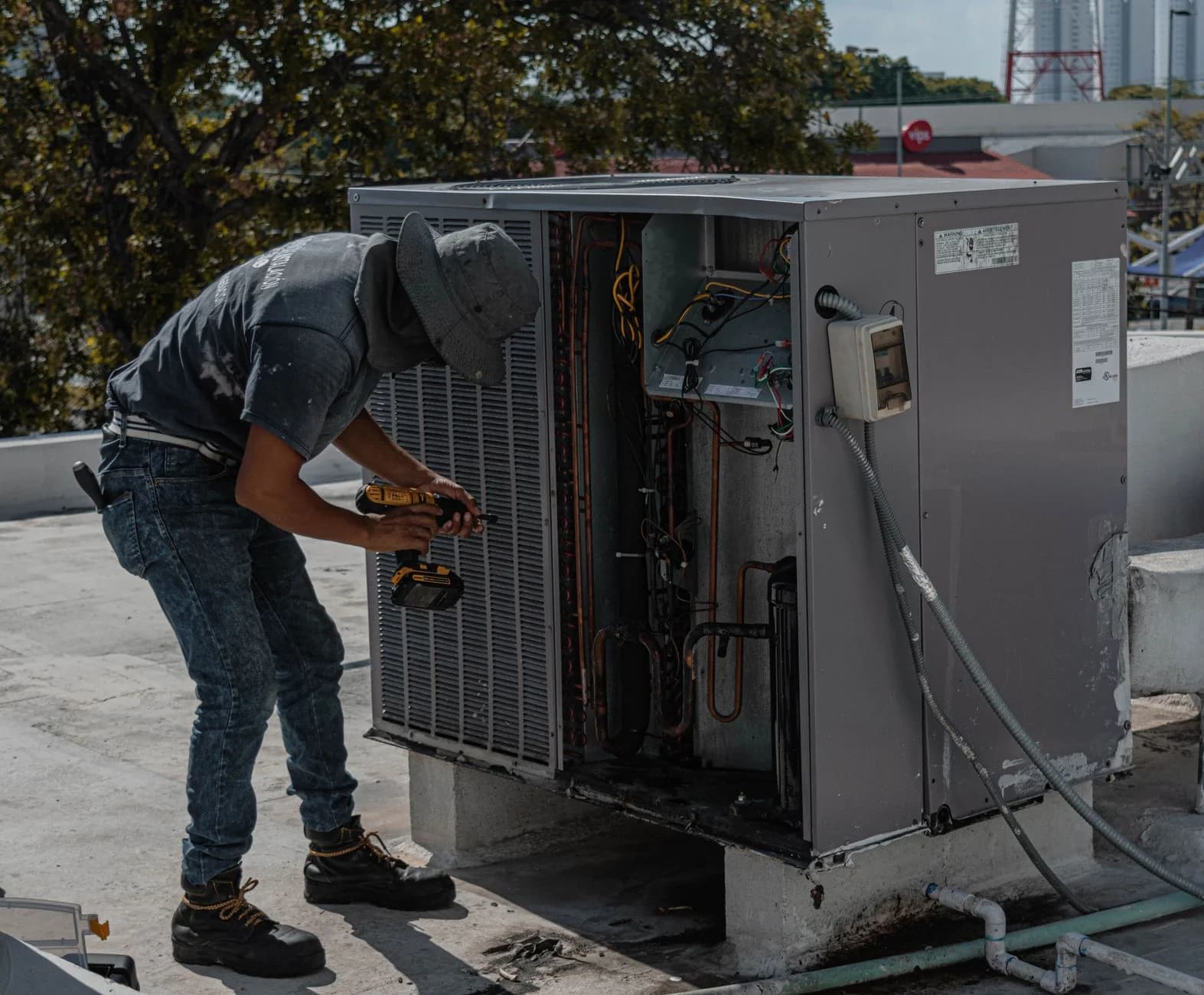
We check the unit's electrical whip and disconnect box for chewed insulation or loose connections, a repair we see often after rodent activity in quieter hillside properties. We also inspect refrigerant lines for oil residue, which points toward a slow leak long before the system shows any performance problem you would notice from inside the house.
Checking for Pest and Rodent Activity
Outdoor units offer a warm, sheltered spot that draws coyotes, raccoons, and rodents in Bel Air and Brentwood's quieter hillside lots. We look for nesting material packed into the base of the unit, paw prints or droppings around the pad, and any sign that wiring insulation has been chewed. Catching this early prevents the kind of electrical failure that usually shows up at the worst possible time, in the middle of summer, when the system is working hardest.
Pad and Mounting Condition
We check whether the pad is level and stable, and on hillside lots we look at whether runoff during heavy rain has caused erosion or standing water around the base. An elevated composite pad makes sense on some sloped properties both to stay above runoff and to reduce vibration transfer into a foundation built close to a grade change, and we note during inspection whether the existing pad setup is doing that job.
Documenting for HOA and Screening Requirements
A number of properties in Bel Air and Brentwood answer to HOA or architectural review standards that limit how visible mechanical equipment can be from the street or a neighboring lot. As part of the inspection, we photograph the unit's current visibility and note whether existing screening meets what we understand of typical requirements, so you have documentation ready if a screening or relocation project needs HOA approval.
Sound and Property Line Considerations
We note the unit's distance from property lines and from bedroom windows on both your property and a neighbor's, since condensers placed close to a shared boundary can become a source of noise complaints in denser sections of these neighborhoods. This does not always require action, but it goes in the report so you know it was considered.
What You Receive Afterward
At the end of the visit you get a written summary covering the condition of the coil, cabinet, pad, electrical connections, and refrigerant lines, along with photos of anything flagged. Recommendations, such as a wind screen, a pad adjustment, or pest sealing, are listed separately from findings, so you can tell the difference between what we observed and what we suggest doing about it.
How This Differs for Condo and Balcony Units
Condo buildings along the Wilshire corridor in Westwood and Century City often mount units on a balcony rather than a ground pad, which changes the inspection somewhat. Balcony placement usually means less debris exposure than a canyon lot, but tighter clearance and HOA rules governing balcony-mounted equipment become the bigger focus, so we check unit spacing and any visible HOA compliance issues alongside the standard mechanical checks.
Why We Separate Findings From Recommendations
We deliberately keep these two things apart in the report. A finding is something we observed and measured. A recommendation is our judgment about what to do with that finding. Keeping them distinct means you can weigh our advice against the actual evidence rather than taking a bundled conclusion at face value.
What We Check on Multi-Zone Estate Systems
Larger Bel Air properties often run more than one outdoor unit to serve separate zones across a sprawling floor plan, and each one gets the same inspection sequence rather than a single spot check treated as representative of the whole property. We note which unit serves which part of the house, since a homeowner reporting a warm guest wing needs to know whether the problem traces back to the unit nearest that wing specifically, not the system as a whole.
Why We Note the Manufacturer and Age of the Unit
Every inspection report includes the equipment's manufacturer, model, and approximate age, since that context shapes how we read everything else we find. A unit several years old with light coil dust is a different situation than a much older unit showing that same dust, even though the immediate finding looks identical on paper. Recording this baseline information also makes next year's inspection more useful, since we can compare condition over time instead of evaluating each visit in isolation.
Schedule a Condenser Inspection
If your outdoor unit sits exposed to canyon wind, hillside debris, or HOA scrutiny in Bel Air or Brentwood, call Westwood Cooling at (877) 549-5274 to schedule an inspection. We also serve Westwood, West LA, and Century City, and every visit ends with a written report you can keep on file.
Need Professional HVAC Service?
Our HVAC-experienced technicians are ready to help with all your AC and heating needs. Contact Westwood Cooling today for expert service throughout the the UCLA corridor service area.