
Why We Explain the Process Instead of Just Doing the Work
A duct and coil cleaning visit in Westwood involves more steps than most homeowners expect, and we think it is worth explaining each one, since you are trusting us to do work you cannot easily inspect yourself once ductwork disappears back into an attic or wall cavity. Here is what actually happens during the visit, in the order it happens, and why each step exists.
Why Westwood Systems Need This More Than You Might Expect
Westwood sits close to UCLA campus traffic and the Wilshire corridor, and it catches Santa Ana wind events several times a year that push dry, dust-heavy air across the Los Angeles basin. That combination means more particulate gets pulled into a return vent here than in a quieter, less trafficked neighborhood. Understanding why the dust accumulates the way it does helps explain why the cleaning steps below matter, rather than treating the visit as a generic service that could apply anywhere.
Step One: Inspect Before We Touch Anything
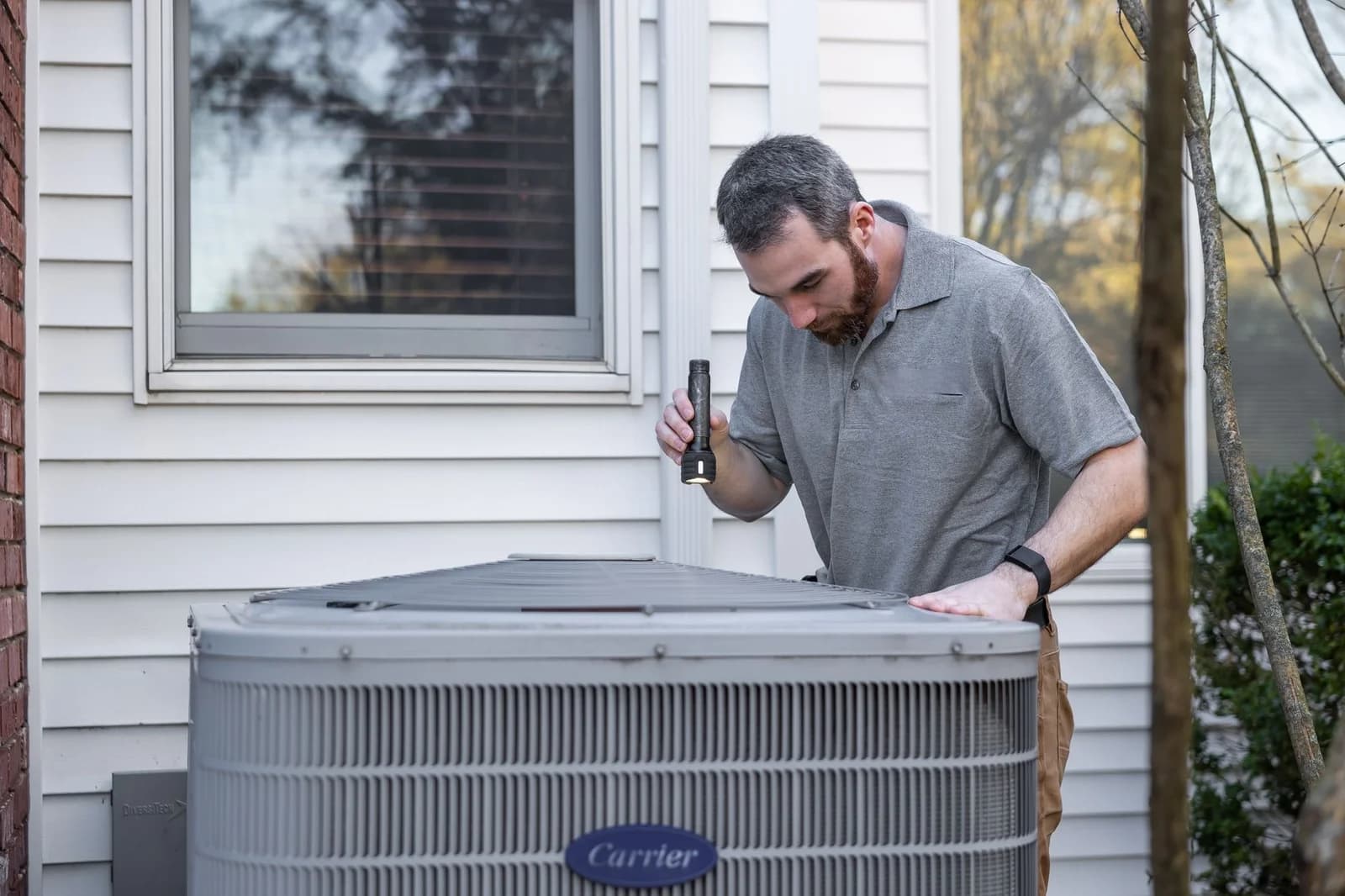
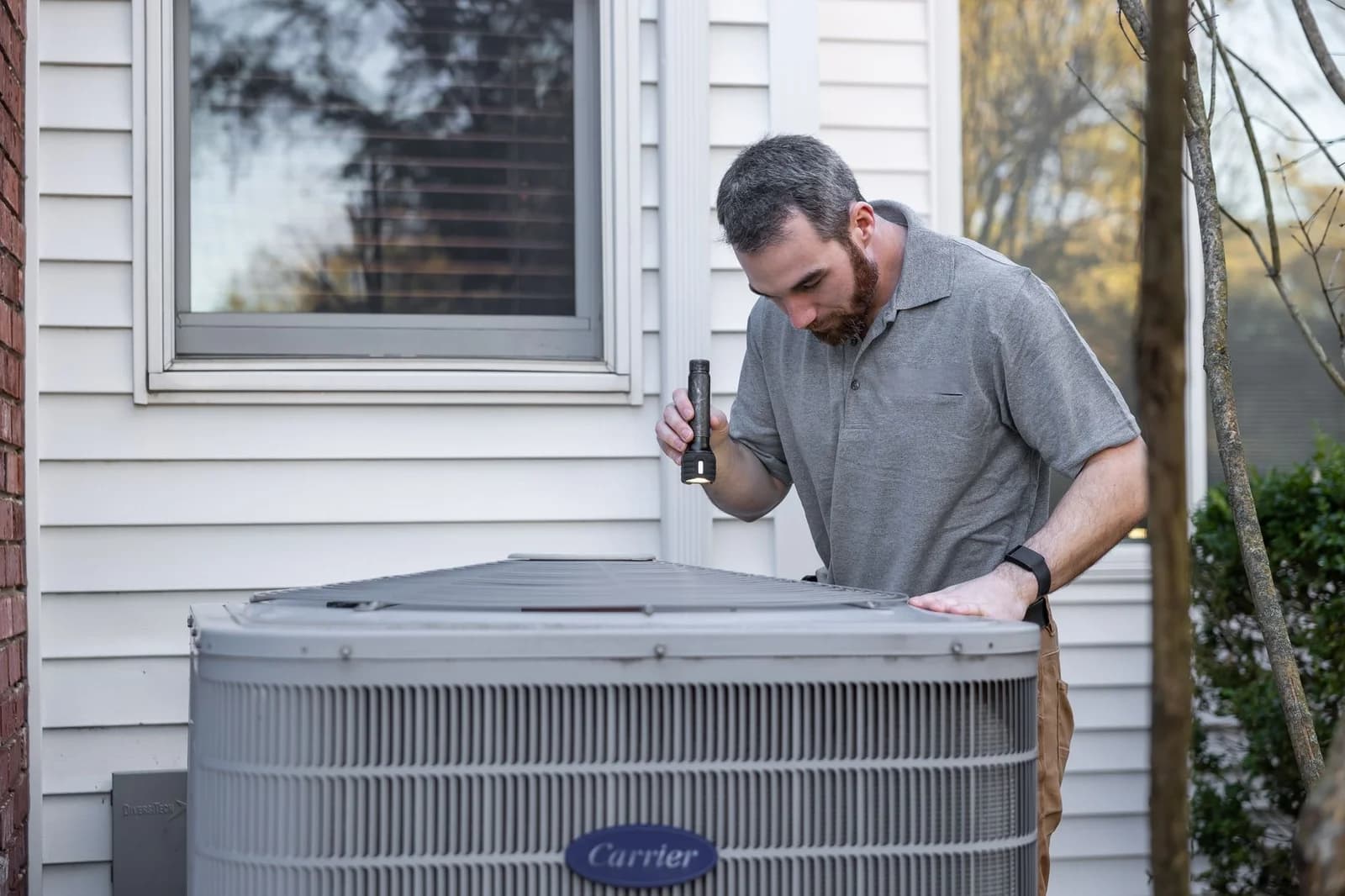
Before any cleaning begins, we look. That means checking the filter, opening the blower compartment, and inspecting whatever ductwork we can reach through existing access points. This step tells us where the buildup is concentrated so we are not spending time on a section that is already fine while missing the one that actually needs attention.
Step Two: Documenting the Coil Condition
We photograph the evaporator coil before cleaning starts. A coil coated in dust looks different from one with a moisture or mold problem, and the fix for each is not the same. Photographing this step gives you something to look at afterward and compare against, instead of taking our word for how bad it was.
Step Three: Checking Accessible Ductwork
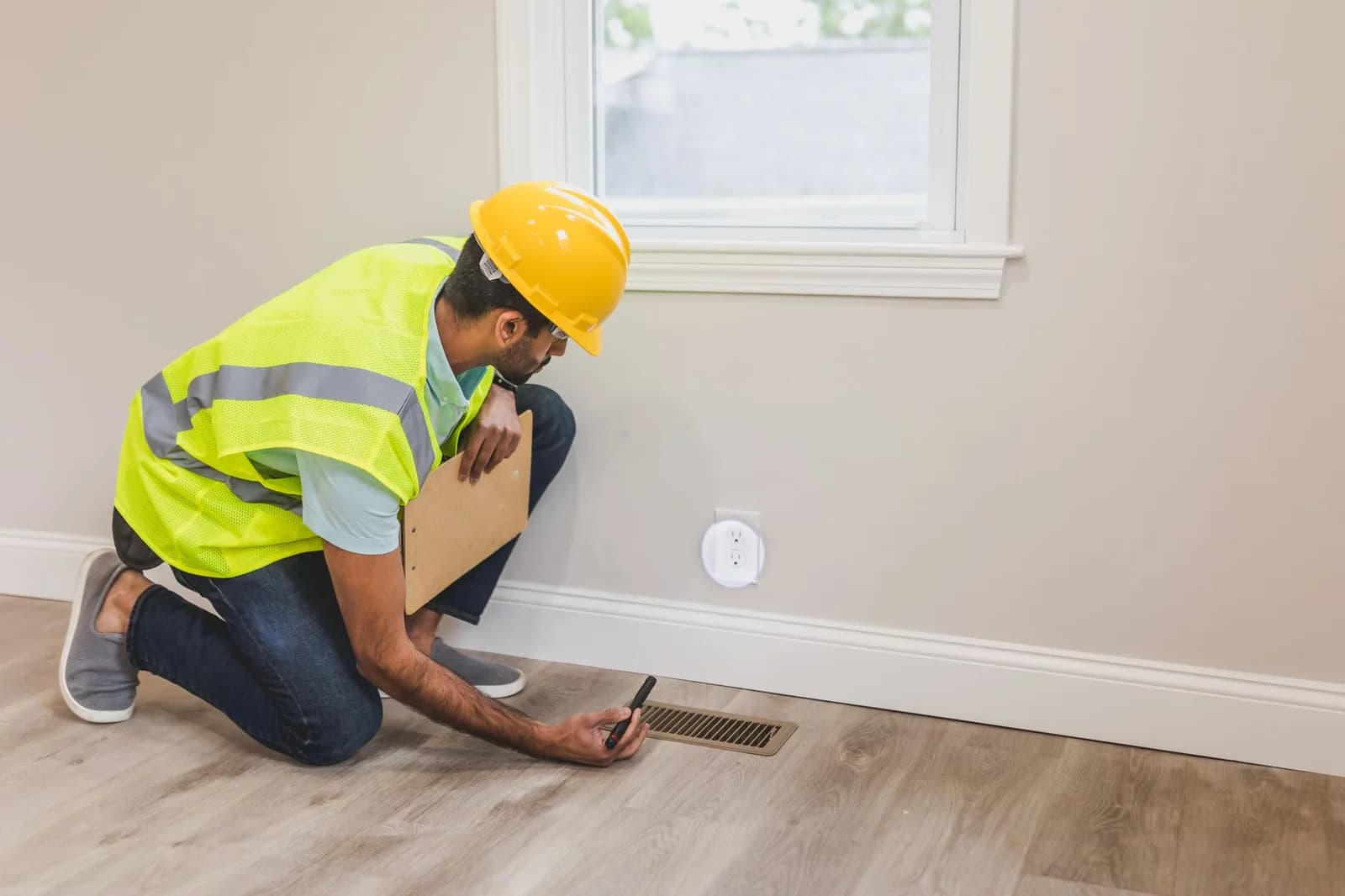
We trace the supply and return runs as far as attic or crawl space access allows, looking for crushed sections, joints that have separated, and insulation that has fallen away from the duct wall. Older Westwood and Brentwood homes, many built decades before central air was standard, tend to have ductwork added later with whatever clearance existed at the time, and that history shows up here more than it does in newer construction.
Step Four: Cleaning the Coil and Blower Wheel
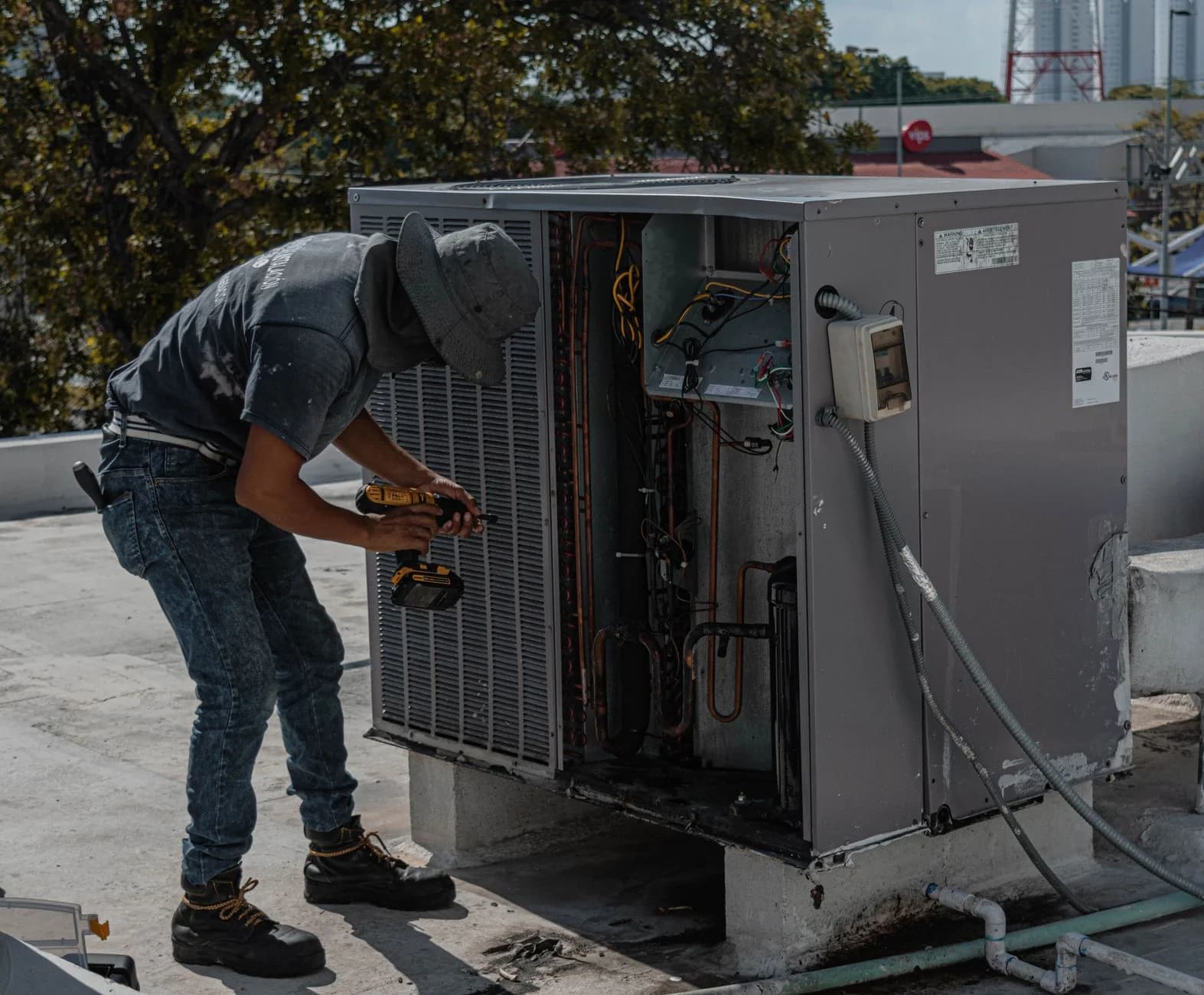
Once we know what we are dealing with, we clean the evaporator coil and blower wheel. Both lose efficiency quickly once coated, since dust on a coil surface blocks the heat exchange the whole system depends on, and a dirty blower wheel moves less air per rotation even when the motor itself is fine.
Step Five: Clearing the Duct Interior
Using proper duct cleaning equipment, we clear accumulated debris from the interior of the supply and return runs we can reach. This step addresses the dust redistribution problem directly, since a duct with years of buildup along its interior wall sheds some of that buildup back into your rooms every time the blower kicks on.
Step Six: Flushing the Condensate Drain
We flush the condensate line as part of the same visit, since a partially clogged drain is one of the more common sources of the musty smell homeowners report when the AC first turns on. This step is easy to skip if you are only thinking about dust, but moisture and dust problems often show up during the same visit for a reason.
Step Seven: Testing Airflow Before We Leave
We do not consider the visit finished until we test airflow at several vents and compare it to what we measured at the start. This before and after comparison is the clearest proof that the work actually changed something, rather than asking you to trust that cleaner-looking equipment means better performance.
What Ends Up in Your Report
You get a written summary covering what we found at each step, the photos taken along the way, and the airflow comparison from before and after the visit. If we found something the cleaning itself cannot fix, like a duct joint that needs sealing or a section that needs replacing, that goes in the report as a separate item rather than getting bundled in without your knowledge.
What Changes the Visit in Century City Condos
Sealed condo units in Century City tend to accumulate less outdoor dust than a single-family Westwood home, but they hold onto moisture longer since there is less natural air exchange with the outdoors. In these units we spend more attention on the coil and drain line, where a musty smell is more likely to originate, and less on duct tracing, since there is often less exposed ductwork to inspect inside a high-rise unit.
What Changes the Visit in Brentwood and Bel Air
Properties near Brentwood and Bel Air's canyon terrain bring a different pattern: heavier debris from oak, eucalyptus, and pine near the property, and a higher chance of finding rodent activity in attic ductwork that offers a way in from outside. When we find chewed insulation or nesting signs during the duct inspection step, we flag it clearly, since that finding changes the scope of the visit from cleaning alone to a repair conversation about sealing entry points and replacing damaged sections.
Being Clear About What the Visit Does Not Include
A standard cleaning visit does not include tearing into walls to trace hidden duct runs, and it does not include structural duct replacement, even if we find a section that needs it. When we find something outside the visit's scope, we explain what we saw, why it matters, and what a separate repair would involve, so you can decide how to proceed with full information rather than a surprise addition to the bill.
Why This Level of Detail Matters
Duct and coil cleaning happens mostly out of sight, which makes it easy for a shortcut version of the service to look identical to a thorough one on the surface. Walking you through each step, and giving you photos and numbers rather than just a note that says it was cleaned, is how we make sure you know what you paid for.
How We Decide Whether Cleaning Alone Solves the Problem
Not every dust or odor complaint gets resolved by cleaning alone, and part of the inspection step exists to catch that distinction early. If the coil shows heavy dust but no underlying leak or mold growth, a standard cleaning visit is usually the whole fix. If we find a duct joint pulling in attic air, a drain line that keeps reclogging, or a component wearing out rather than just collecting dust, we say so directly rather than cleaning around a problem that will simply return in a few months.
What a Pre-Visit Filter Check Tells Us About Timing
Before we even open the blower compartment, the filter itself tells us something about how the rest of the visit will likely go. A filter that is only lightly dusty after several months usually means the rest of the system is in reasonable shape, while one that is completely packed after a shorter stretch tells us to expect heavier buildup further into the system. We use that first look to set expectations for the rest of the visit rather than treating every appointment as an unknown until we are already halfway through it.
Schedule a Duct and Coil Cleaning Visit
If dust, uneven airflow, or a musty smell has you thinking about a cleaning, call Westwood Cooling at (877) 549-5274. We serve Westwood, West LA, Brentwood, Bel Air, and Century City, and every visit follows this same documented process from first inspection to final airflow test.
Need Professional HVAC Service?
Our HVAC-experienced technicians are ready to help with all your AC and heating needs. Contact Westwood Cooling today for expert service throughout the the UCLA corridor service area.