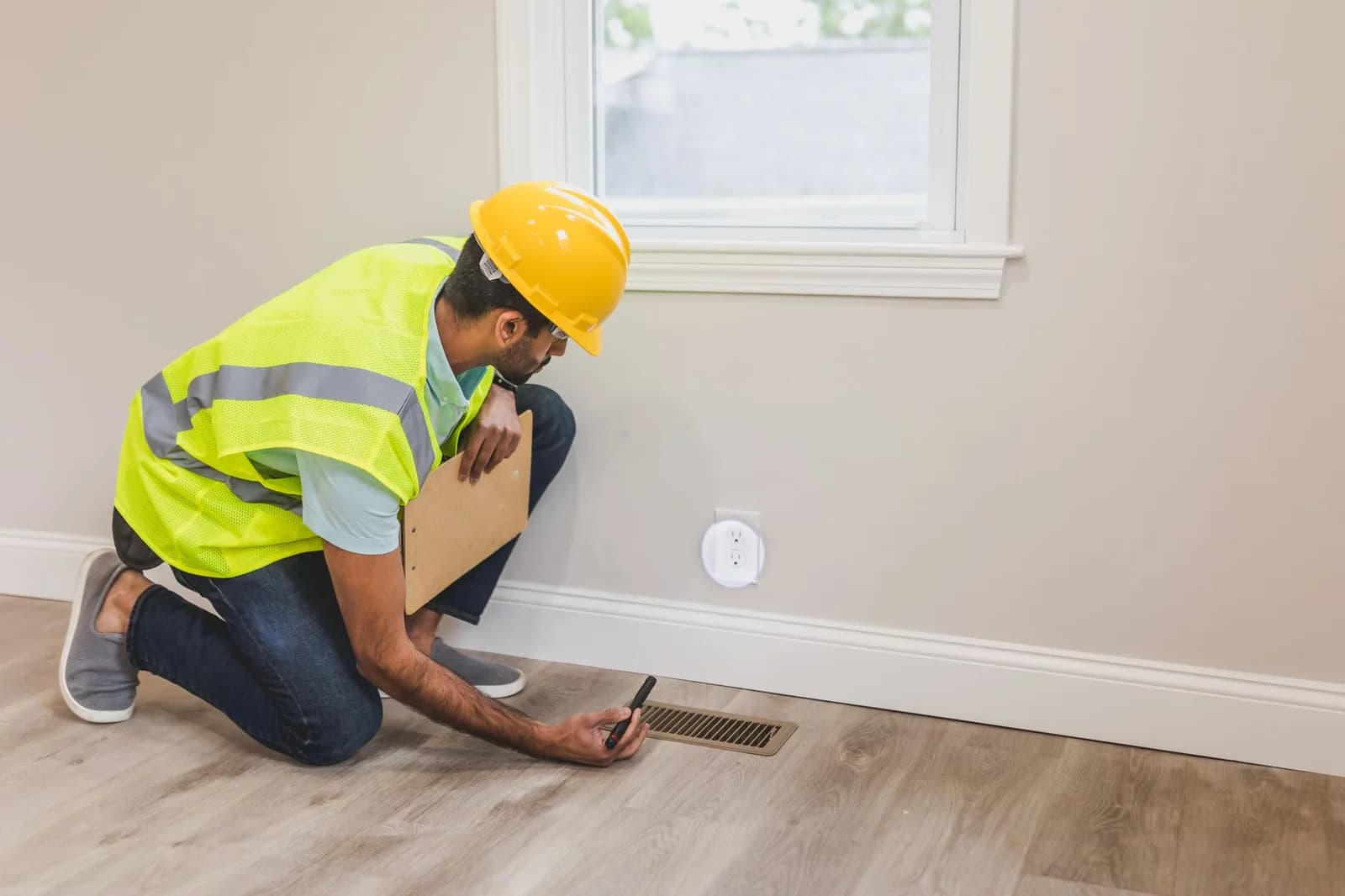
Why We Treat a Tune-Up as a Defined Sequence, Not a Quick Look
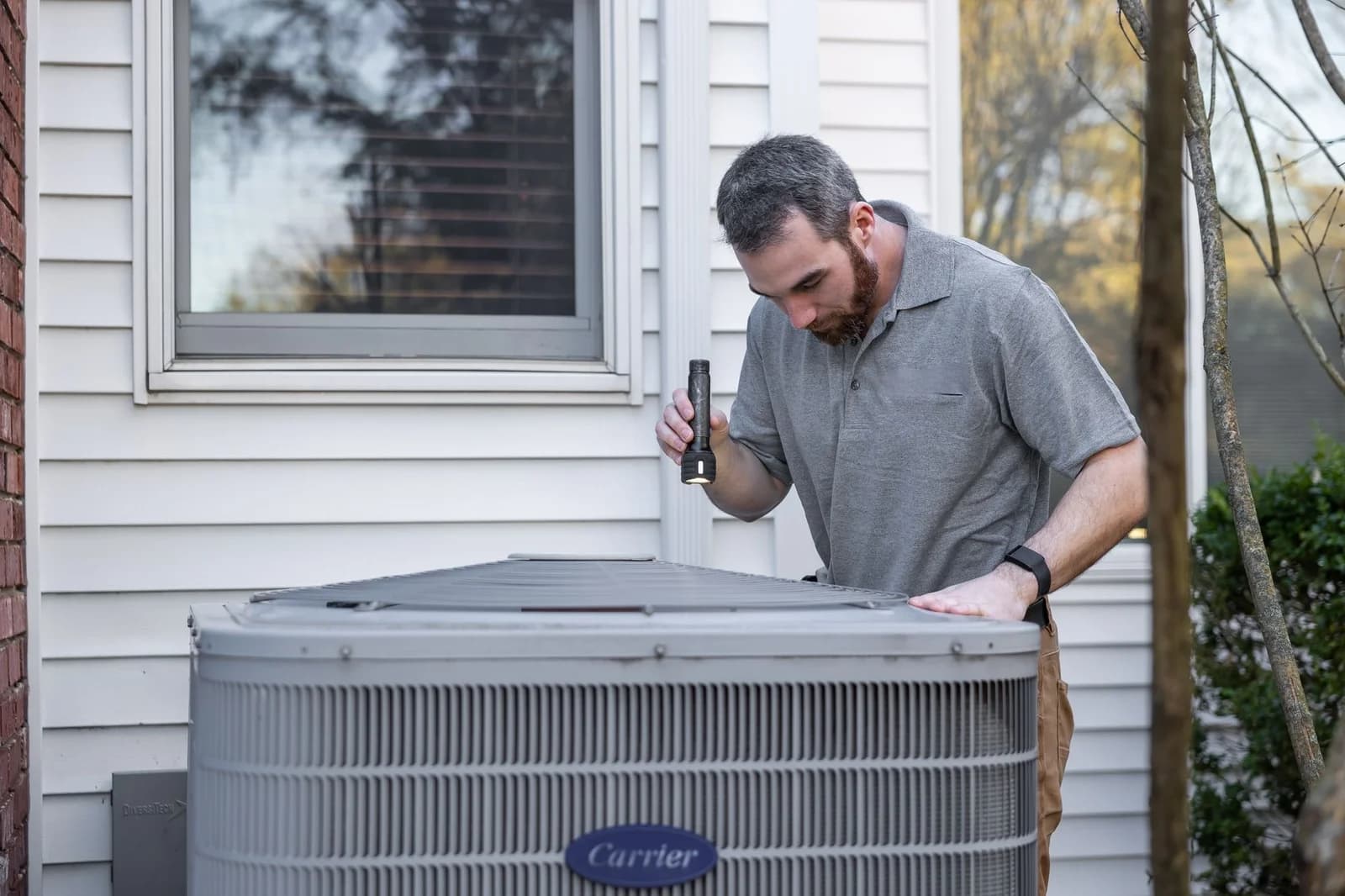
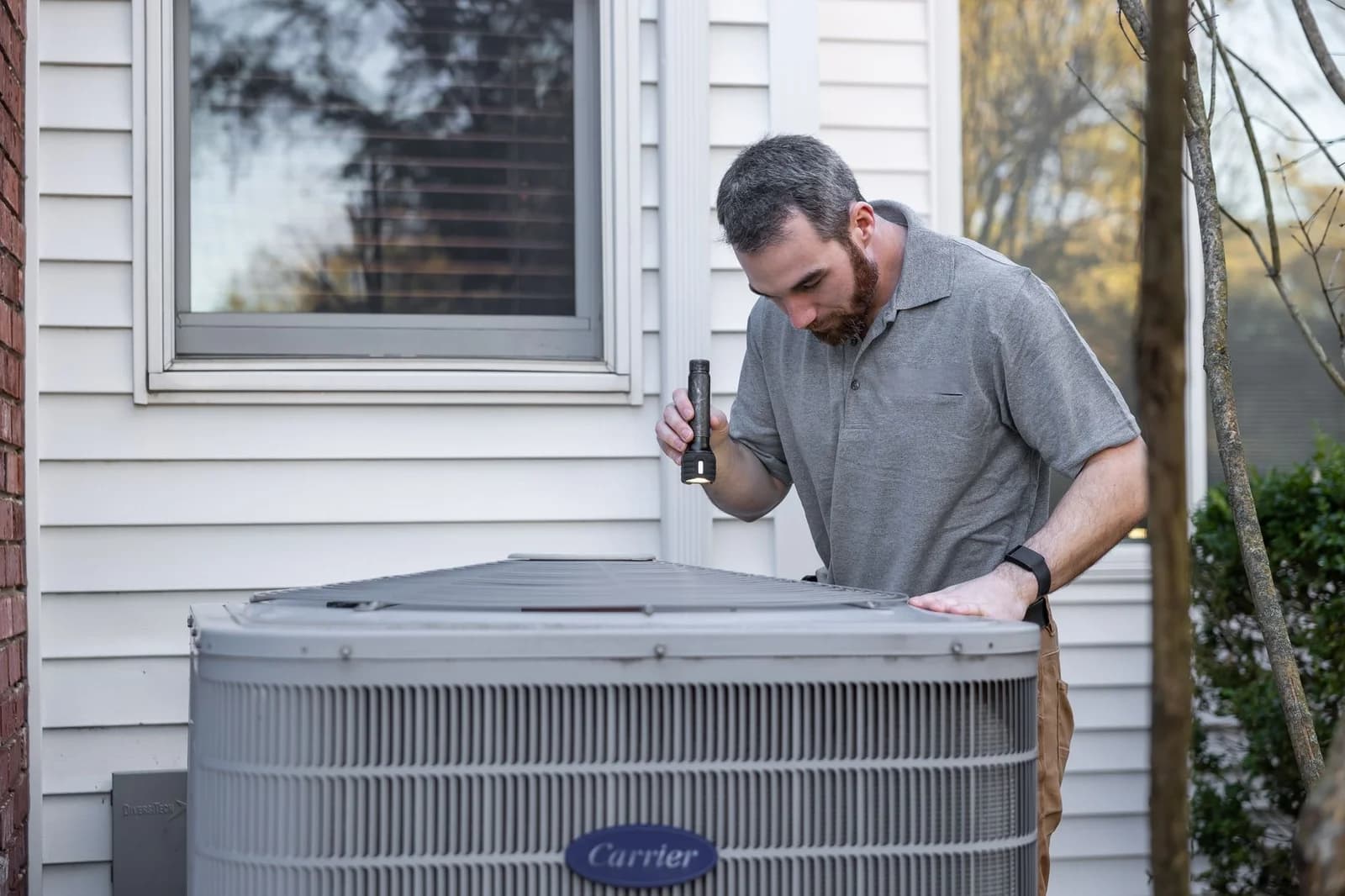
Westwood's heating season is short, and that is exactly why a tune-up visit needs a defined process rather than a quick glance at the furnace. A system that only runs a few weeks a year does not wear the way one in a colder climate would, but it also does not get the everyday attention that would otherwise catch a small problem early. Walking through what we actually check during a fall tune-up shows why each step exists, not just that it happened.
Why We Recommend Scheduling Before the Cold Arrives
We recommend booking a tune-up in the fall, before the first genuinely cold week, for a simple reason: any issue we find gets fixed on a normal schedule instead of during an emergency call when your household is already cold and every other homeowner who waited is calling at the same time. This is about timing, not urgency for its own sake, and it is the first thing we explain to homeowners who ask why we push for an early appointment rather than waiting.
Filter and Airflow Check
We start with the filter, since a clogged one is the single most common cause of reduced heating efficiency. Restricted airflow forces the blower to work harder than it should and can shorten the life of the heat exchanger over time, so this simple check sets the tone for everything that follows.
Heat Exchanger Inspection
This is the step we treat as non-negotiable rather than optional, because a furnace's heat exchanger keeps combustion exhaust separate from the air moving through your ducts and into your rooms. A cracked exchanger lets exhaust gases mix with that air, which creates a carbon monoxide safety concern on top of any efficiency loss. We inspect this component every visit specifically because it is the one finding that changes a routine tune-up into an immediate safety conversation.
Igniter, Pilot, and Burner Check
We test the igniter or pilot assembly and inspect the burners for even flame and clean combustion. A furnace that has sat unused since spring can accumulate dust on these components, and a burning smell the first time you turn on the system is usually that dust clearing off rather than a malfunction, something worth knowing before it causes unnecessary alarm.
Venting and Flue Inspection
We check that the venting and flue are clear and properly connected, since a blocked or disconnected vent keeps combustion gases from leaving the house the way they are supposed to. This check takes only a few minutes but addresses one of the more serious risks a heating system can carry if it goes unnoticed.
Carbon Monoxide Detector Test
We test that your home's carbon monoxide detectors are functioning, since a working detector is your backup line of defense even after we have inspected the exchanger and venting directly. If you do not have one near the furnace or in the bedrooms, we will point that out as part of the visit.
Thermostat Calibration
We confirm the thermostat is reading temperature accurately and communicating properly with the equipment. A miscalibrated thermostat can make a perfectly healthy furnace feel like it is underperforming, since the system is simply responding to a wrong signal rather than an actual comfort problem.
Testing Zone Dampers in Larger Homes
For larger homes in Brentwood and Bel Air with zoned systems, we test that each zone damper opens and closes correctly. A stuck damper can leave one wing of a house cold while another overheats, and this problem is easy to miss unless dampers are actually tested rather than assumed to be working because the system as a whole seems fine.
What Changes for Heat Pump Equipment
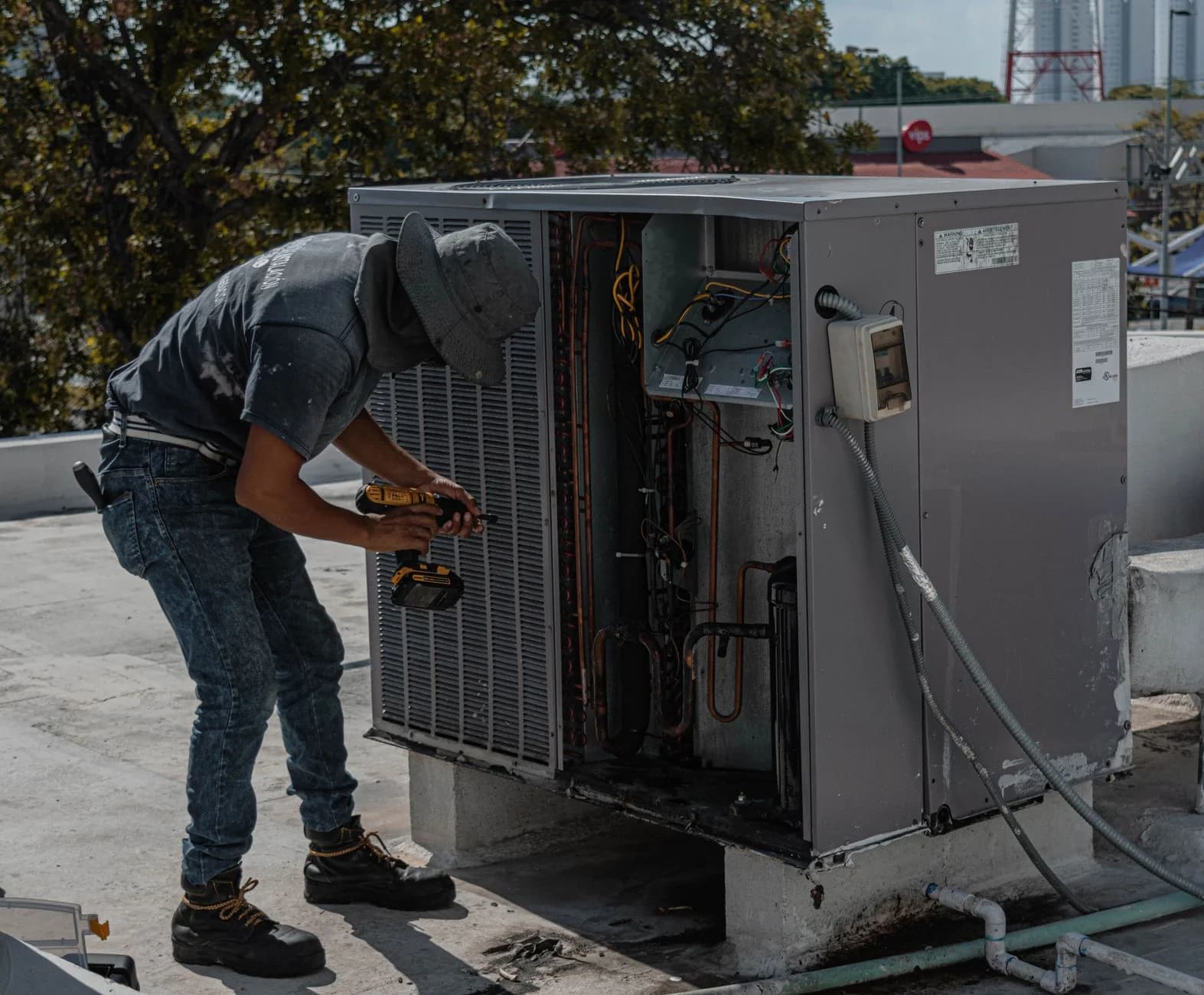
Condo units in Century City and West LA buildings without gas service often rely on heat pumps instead of furnaces, and the tune-up sequence shifts accordingly. Instead of combustion checks, we focus on coil condition, refrigerant charge, and electrical component testing, since a heat pump uses much of the same equipment as an AC system in reverse. The safety checks specific to combustion do not apply here, but the electrical and refrigerant checks matter just as much.
Checking Duct Insulation in Attic Spaces
In older Westwood and West LA homes, we check whether ductwork running through an attic or crawl space has adequate insulation. Bare duct sitting in an attic that swings from cold at night to warm by afternoon loses conditioned air to the surrounding space the whole time it travels from the furnace to your vents, and this is a finding we note even though fixing it usually falls outside the tune-up visit itself.
What Goes Into the Seasonal Readiness Report
At the end of the visit, you receive a written summary covering every check performed, what passed, and what did not. If the heat exchanger, venting, or any electrical component shows a problem, that gets flagged clearly and separately from routine maintenance items like filter replacement, so you understand the difference between what we did during the visit and what needs a follow-up repair.
Why This Level of Detail Matters for a Short Heating Season
Because Westwood's heating season is short, a small problem can sit unnoticed for most of the year before the first cold night exposes it. A defined, documented tune-up sequence is how we make sure nothing gets skipped simply because the system does not run often enough for a problem to announce itself on its own.
Why We Test Under Real Operating Conditions, Not Just at Idle
A furnace can look fine sitting off, so part of our process is running the system through a full heating cycle rather than only inspecting components at rest. We watch how the burners ignite, how even the flame pattern looks once the system is actually producing heat, and how the blower responds once air starts moving. Some problems, like a burner that lights unevenly or a blower that hesitates before ramping up, only show themselves once the system is doing the job it is meant to do.
What Happens If We Find a Problem That Cannot Wait
Occasionally a tune-up turns up something serious enough that we do not simply note it and move on, most often a cracked heat exchanger or a venting problem that puts carbon monoxide safety at risk. In that situation we explain the finding on the spot, recommend the system stay off until repaired, and walk through next steps before we leave rather than mailing a report days later while the system keeps running in the meantime.
What We Check Before We Turn the System On
Before we ever fire up the furnace, we do a visual walk-around: checking the condition of the cabinet, looking for signs of water intrusion near the unit, and confirming nothing has been stored too close to the equipment that could restrict airflow or create a hazard once the system starts running daily for the season. This walk-around takes only a couple of minutes but catches simple issues, like a box of storage pushed up against the return vent, before they turn into a bigger problem once the furnace is running every night.
Why We Note the Furnace's Age on Every Visit
Every tune-up report includes the furnace's approximate age alongside the findings, since a component reading borderline on a newer unit carries different weight than the same reading on a much older one. An igniter or blower motor nearing the end of its typical service life gets flagged differently than the identical finding on a furnace with years of expected service ahead of it, so age context shapes how we present a finding even when the raw number looks the same either way.
Schedule Your Fall Tune-Up
Call Westwood Cooling at (877) 549-5274 to schedule a heating tune-up before the first cold week arrives. We serve homes and condos throughout Westwood, Brentwood, Bel Air, West LA, and Century City, and every visit follows this same checklist from filter to final report.
Need Professional HVAC Service?
Our HVAC-experienced technicians are ready to help with all your AC and heating needs. Contact Westwood Cooling today for expert service throughout the the UCLA corridor service area.