Why a Replacement Consultation Starts With a Visit, Not a Phone Quote
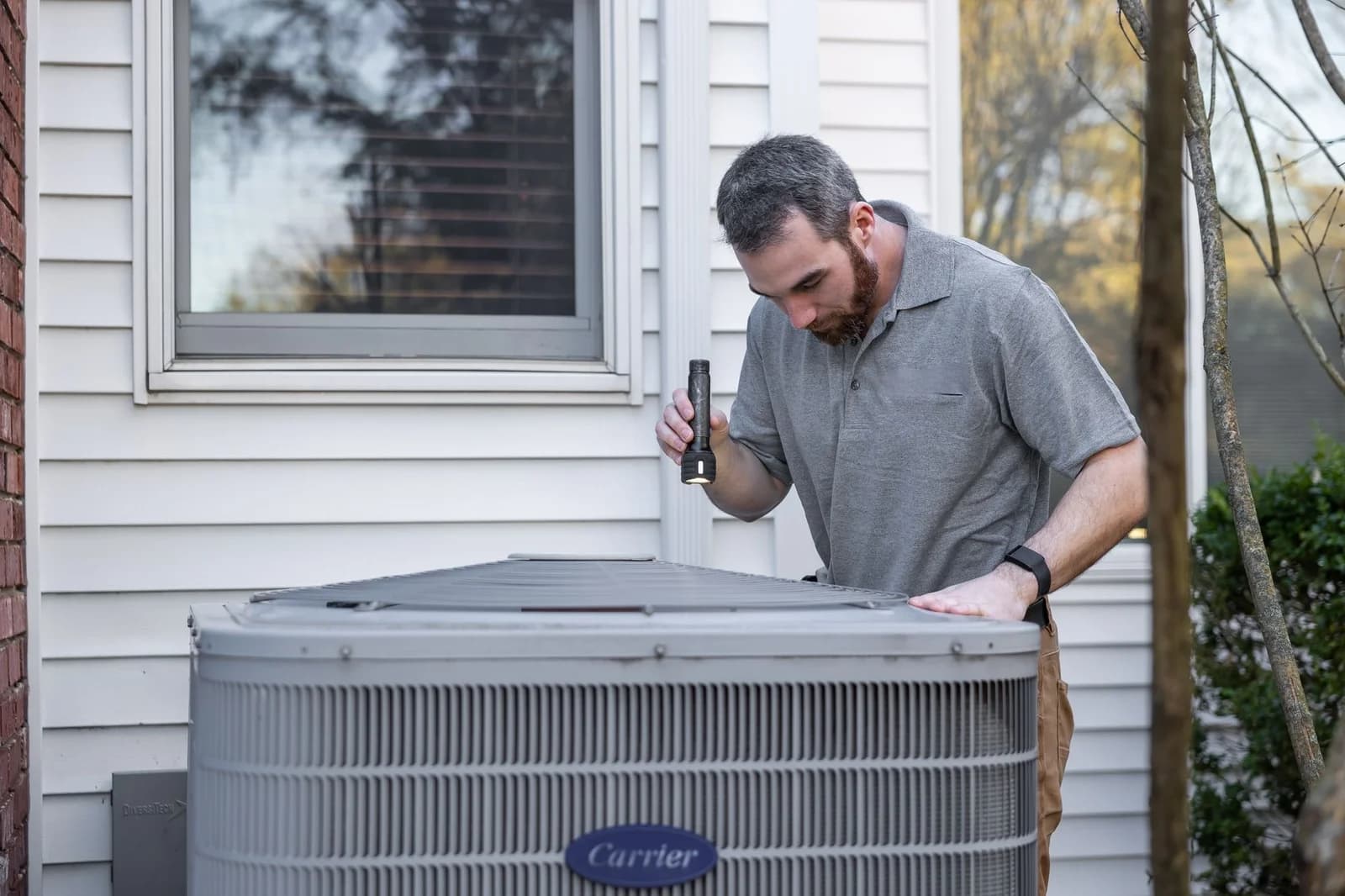
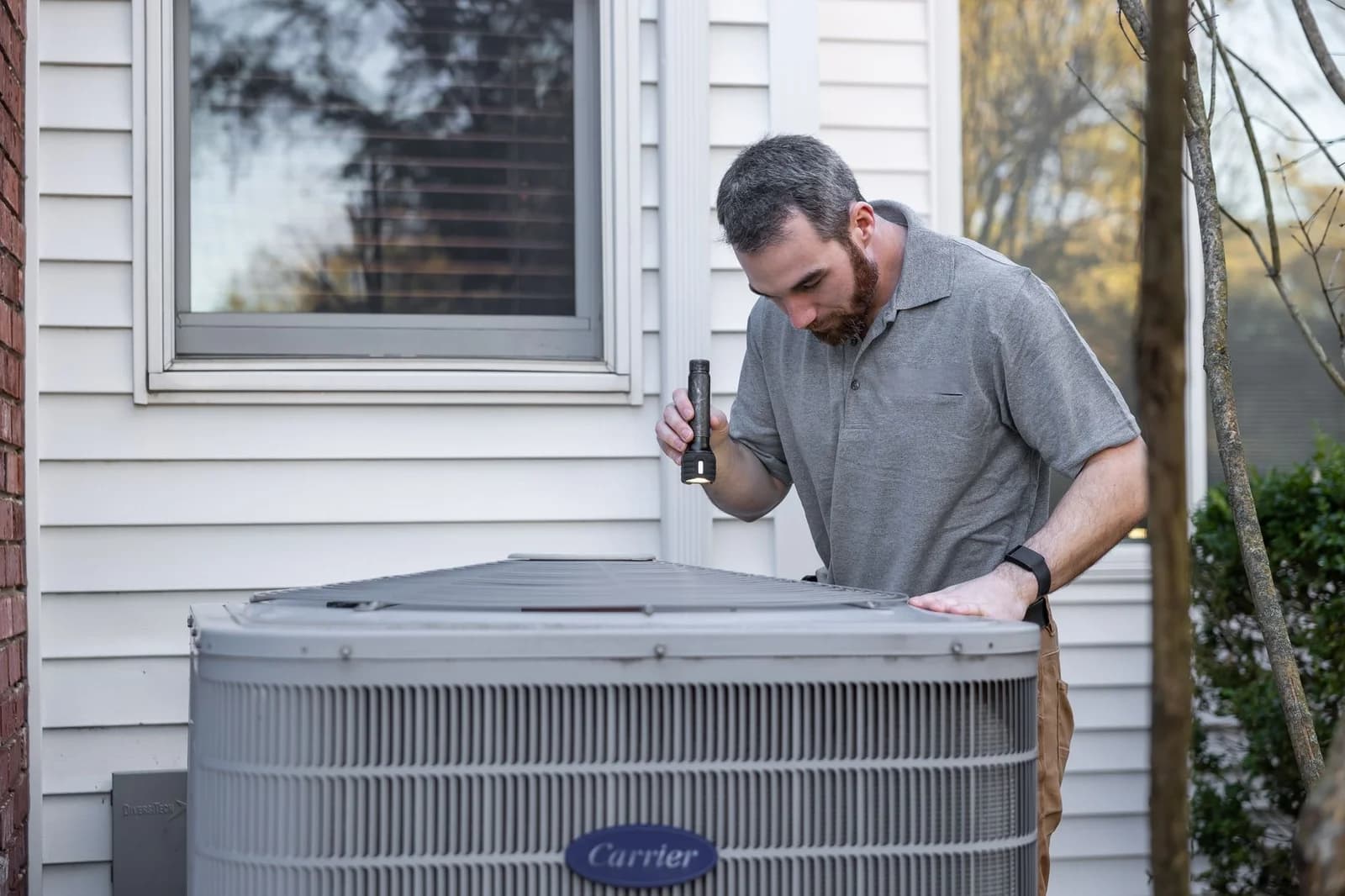
Deciding whether to repair an aging furnace or heat pump one more time, or replace it, is not a decision we make over the phone. It starts with a site visit where we look at your actual system, your ductwork, and your home before presenting any options. Here is what that visit covers and why each part of it exists.
Starting With Your System's History
We begin by asking about your system's repair history: how many service calls in recent years, what got replaced, whether problems have been getting more frequent. A furnace or heat pump that has needed more than one significant repair in the past couple of winters tells a different story than one that has run quietly for years and is simply reaching the end of its expected life. This context shapes everything that follows, so we ask before we look at anything mechanical.
Why We Measure the House Instead of Just Asking Square Footage
A proper load calculation looks at your home's actual square footage, insulation, window exposure, and existing duct capacity, not just a rough number pulled from a listing. This matters because an oversized system cycles on and off too often and never runs long enough to heat or cool evenly, while an undersized one runs constantly without ever quite catching up. We walk the house and measure rather than estimate, since guessing at this step is how homes end up with equipment mismatched to what they actually need.
Assessing Your Existing Ductwork
Since ductwork carries whatever the new equipment produces, we check its condition as part of the same visit rather than as an afterthought. Older Westwood and Brentwood homes, many originally built without central air, sometimes have ductwork that was added later with less capacity than a modern system would want. If your ducts are undersized or leaky, we explain how that affects equipment choice, since even the most efficient furnace or heat pump cannot outperform ductwork that is holding it back.
Checking Existing Infrastructure
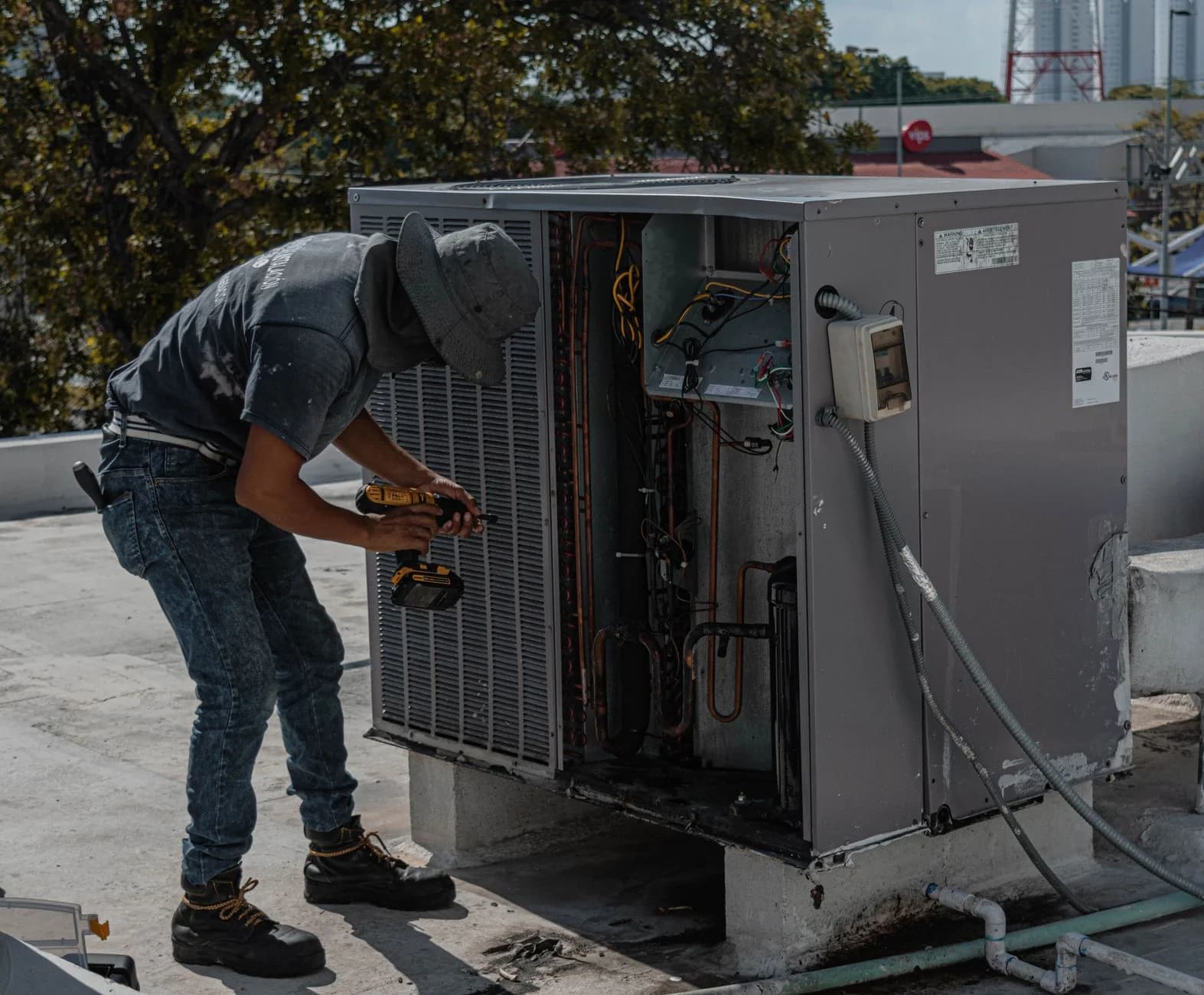
We check what infrastructure already exists at your home: an existing gas line and venting for a furnace, or the available electrical circuit capacity for a heat pump. A like-for-like furnace replacement is usually simpler where gas infrastructure is already in place, while a heat pump needs only an electrical circuit and outdoor space, which makes it a natural fit for a home converting from an old, inefficient system. We note what you already have rather than assuming a switch is either easy or difficult before actually checking.
What Changes for All-Electric Condos
In Century City and West LA condo buildings without individual gas service, the infrastructure question is usually already answered before we arrive, since a heat pump is often the only practical path forward when running new gas lines through a high-rise is not feasible. For these consultations, we spend more time on unit sizing and HOA approval requirements than on a fuel-type comparison, since the fuel type question has effectively already been settled by the building itself.
What Changes for Larger Bel Air and Brentwood Properties
Larger hillside homes often benefit from zoned heating regardless of fuel type, since multiple stories and larger square footage mean a single thermostat rarely serves the whole house evenly. During these consultations, we talk through whether a central system paired with a ductless zone for an addition or converted space makes more sense than extending existing ductwork into a part of the house it was never designed to reach.
Presenting Options Side by Side, in Writing
Once we understand your system's history, your home's actual heating and cooling load, your ductwork, and your existing infrastructure, we present the realistic options side by side rather than steering you toward one before you have seen the comparison. This includes how each option handles comfort and heat delivery, what installation involves, the safety considerations specific to each option (combustion venting for a furnace, standard electrical safety for a heat pump), and what ongoing maintenance looks like. We put this in writing rather than walking through it verbally and hoping you remember the details later.
What We Do Not Decide During the Visit
We do not expect you to make a decision on the spot, and the visit is not structured to push toward one. Replacing a heating system is a meaningful cost, and you should have time to review the written proposal, ask follow-up questions, and think it over without a technician standing in your living room waiting for an answer.
What Your Written Proposal Includes
The proposal you receive after the visit lays out the load calculation results, the condition of your existing ductwork and infrastructure, the options we recommend based on what we found, and a clear price for each. If utility rebate or incentive programs are available for your chosen equipment at the time of your project, we note that separately, since these programs change over time and we would rather check current offerings than quote something that may no longer apply.
Why This Process Takes Longer Than a Quick Estimate
A thorough replacement consultation takes longer than a five-minute walkthrough, and that is intentional. Rushing this step is how homes end up with equipment that is the wrong size, incompatible with existing ductwork, or simply not the best fit for how the household actually uses heat. The extra time upfront is what makes the proposal you receive afterward something you can actually trust.
How We Explain the Trade-Offs, Not Just the Price
Two options on a proposal rarely cost the same, and the cheaper one is not automatically the better fit. When we present options, we walk through what you give up or gain with each choice: a lower upfront cost paired with higher expected running cost, a longer installation timeline in exchange for equipment that fits your ductwork better, or a smaller system that fits the electrical panel you already have versus a larger one that would require an upgrade. Explaining the trade-off is part of the proposal, not something you have to ask about separately after the fact.
What Happens After You Receive the Proposal
Once you have the written proposal, the next step is entirely yours. We do not follow up with repeated calls pushing for a decision, and there is no deadline attached beyond whatever timeline works for your household. When you are ready to move forward, whether that is the same week or several months later, we schedule the installation based on the proposal you already have in hand, so nothing gets renegotiated from scratch.
Why We Walk the Whole Property, Not Just the Mechanical Room
A consultation visit includes walking through the areas of your home the new equipment will actually serve, not just inspecting the furnace closet or the outdoor pad. Rooms that run consistently cold or warm relative to the rest of the house, additions built without matching the original ductwork, and windows that let in more heat or cold than the rest of the house tell us things a mechanical room inspection alone would miss, and all of it factors into the load calculation and the options we ultimately present.
Answering Questions as They Come Up
We treat the consultation as a conversation, not a scripted presentation, which means questions get answered as they come up rather than saved for the end. If you are unsure why we are recommending one option over another, or want to understand a specific number in the load calculation, that gets explained on the spot so the written proposal you receive afterward confirms what you already understand rather than introducing new information for the first time.
Schedule a Replacement Consultation
When repairing your furnace or heat pump one more time no longer makes sense, reach out to Westwood Cooling at (877) 549-5274 and we will set up a consultation. Homeowners throughout Westwood, Bel Air, Brentwood, West LA, and Century City can expect the same walkthrough described above, ending in a written proposal rather than a decision made on the spot.
Need Professional HVAC Service?
Our HVAC-experienced technicians are ready to help with all your AC and heating needs. Contact Westwood Cooling today for expert service throughout the the UCLA corridor service area.