
Why We Give You a Report You Can Actually Read
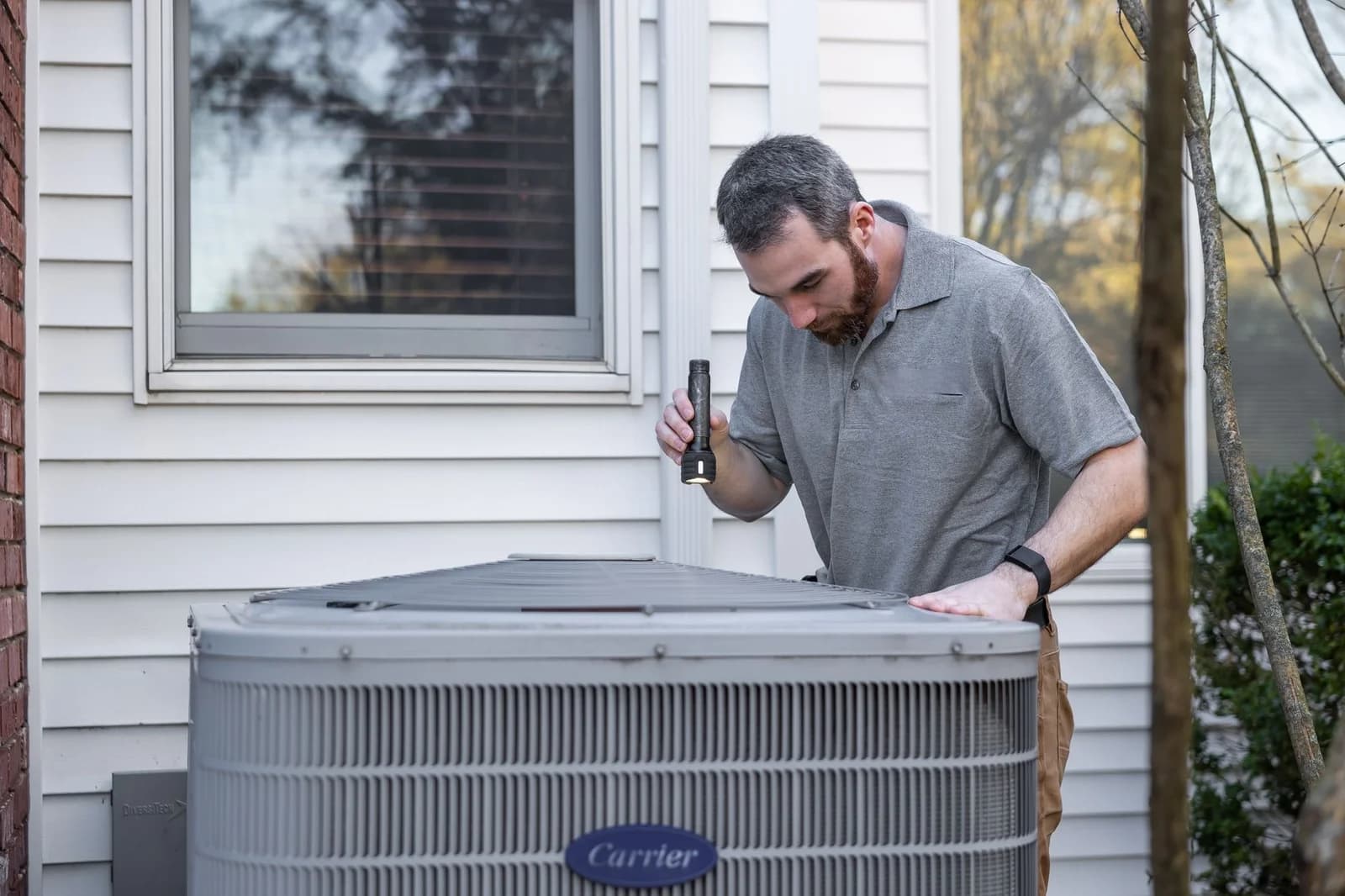
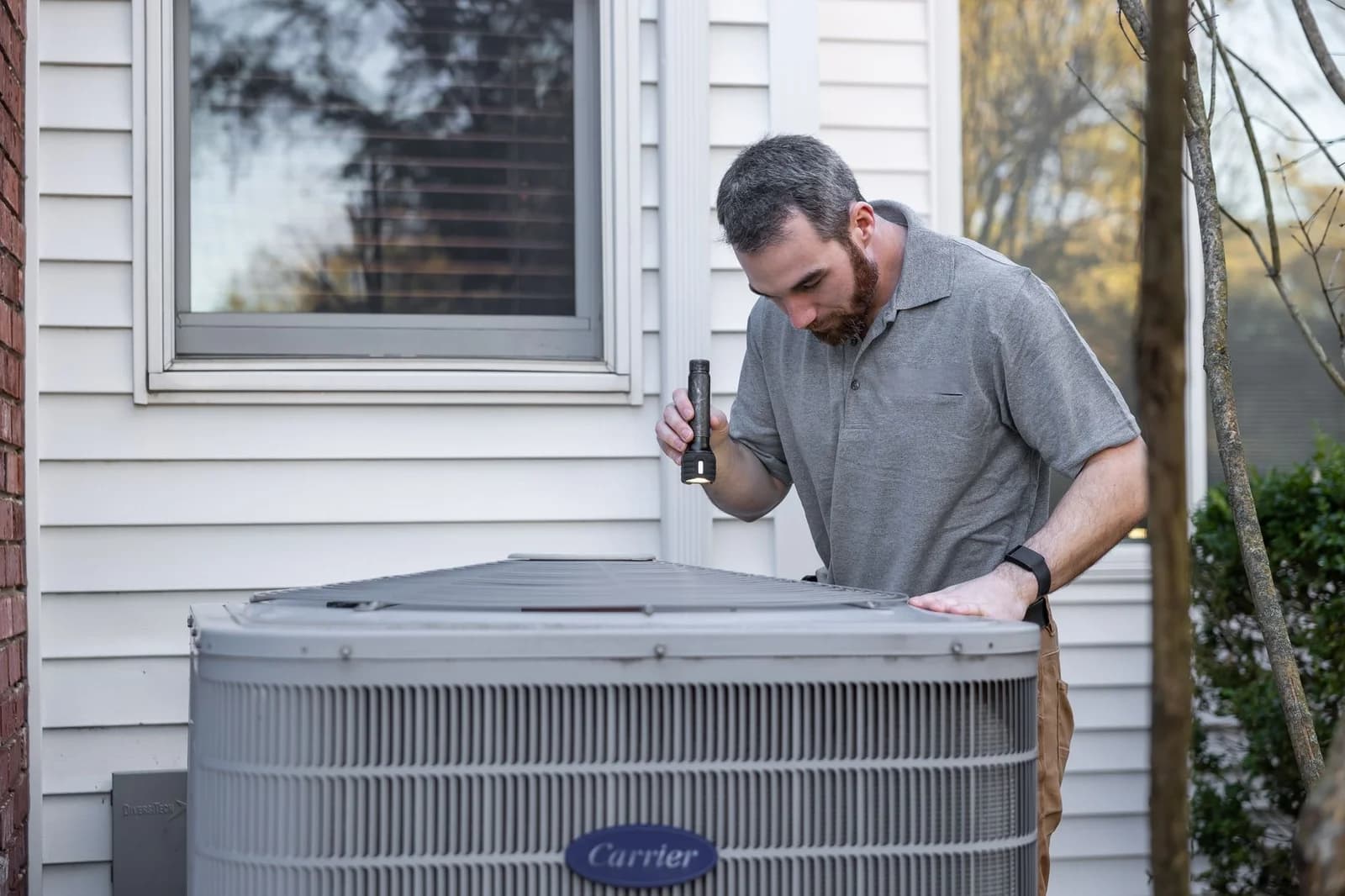
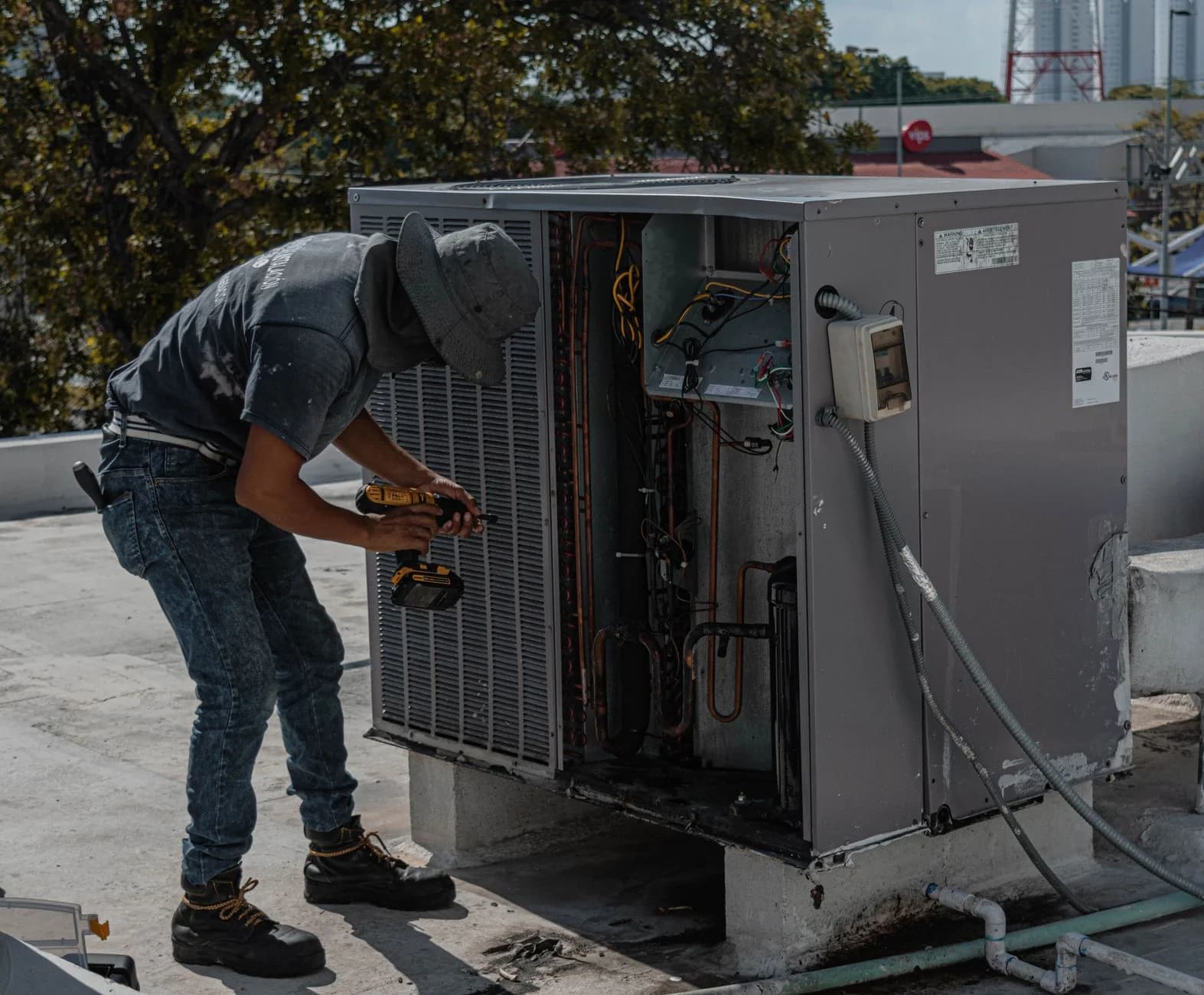
A maintenance visit produces a stack of numbers: capacitor readings, refrigerant pressures, amperage draws. Handed over without explanation, that report is not very useful to you. This guide walks through each section of a typical Westwood Cooling maintenance report in plain language, so the next one you receive actually tells you something.
The Filter Section
This section notes the filter's condition when we arrived and whether we replaced it. A filter that restricts airflow forces every other component to work harder than it should, so this is the first thing we check and the first line item you will see, even though it is the least dramatic finding on the page.
The Coil Condition Section
Here we describe what the evaporator and condenser coils looked like, along with photos taken during the visit. A coil coated evenly in dust reads differently from one showing frost, and both look different again from a coil with mold or mildew forming near the drain pan. We separate these because the fix for each is different: a dusty coil needs cleaning, frost usually points to an airflow or refrigerant problem elsewhere in the system, and mold points to a moisture issue at the drain.
The Refrigerant Charge Section
This section lists the actual pressure readings we measured against the manufacturer's target range for your specific equipment. We include the real numbers rather than a simple pass or fail note, because a system running slightly low on charge will often keep cooling for months while working harder than it should, quietly stressing the compressor the whole time. Seeing the actual gauge reading next to the target range is what lets you understand a slow decline instead of waiting for a sudden failure to explain it after the fact.
The Electrical Component Section
Capacitors and contactors get tested under load and their readings recorded here, not just checked by eye. A capacitor can look physically fine and still be reading well below its rated microfarad value, which is exactly the kind of failure that shows up as a system that hums but will not start. Recording the actual reading, rather than a simple working or not working note, lets you track whether a capacitor is trending toward failure across multiple visits.
The Amperage Draw Section
We measure the current the compressor draws while running and compare it against the equipment's rated specification. A motor working under strain, whether from low refrigerant, a dirty coil, or a failing component elsewhere, draws more current than it should well before it makes any unusual noise you would notice from inside the house. This section is often the earliest warning sign on the whole report, even when every other section looks fine on its own.
The Condensate Drain Section
This notes whether the drain line was flushed and whether we found any signs of a prior clog, like staining on a nearby ceiling or a slow-draining line. A backed-up drain is one of the more common sources of the musty smell homeowners report, and it is a simple fix when caught during a routine visit rather than after water damage has already occurred.
The Thermostat Calibration Section
We record whether the thermostat is reading temperature accurately and communicating properly with the equipment. A thermostat reading a few degrees off can make a perfectly healthy system feel underpowered, since the equipment is simply responding to an inaccurate signal rather than an actual mechanical problem.
The Recommendations Section
This is kept separate from everything above it, deliberately. Every section above describes what we found and measured. The recommendations section is where we tell you what we think should happen next, whether that is nothing beyond your next scheduled visit, a smaller repair now, or a note to watch a specific reading at your next appointment. Keeping observation and opinion apart means you can weigh our advice against the evidence rather than taking a bundled conclusion at face value.
Why Westwood's Climate Shows Up Across Every Section
Westwood's dry inland air and periodic Santa Ana wind events push more dust into outdoor equipment than a homeowner moving from a coastal neighborhood might expect, and that shows up across nearly every section of the report: faster coil buildup, more frequent capacitor strain, and dustier filters between visits. Understanding that context is part of why we document readings the way we do here, rather than in a milder, less dust-heavy climate where the same system might show slower change between visits.
Using Your Report for a Second Opinion or a Future Sale
Because every reading is written down with the date it was taken, your maintenance reports build a history over time. If you ever want a second opinion on a recommendation, you have actual numbers to hand to another technician instead of a verbal summary. And if you sell your Westwood, Brentwood, or Bel Air home down the road, a folder of documented maintenance visits is exactly the kind of service history that reassures a buyer's inspector far more than a single walkthrough ever could.
What to Do If Something on Your Report Concerns You
If a reading on your report looks concerning and you are not sure what it means, call and ask. Every number on the page has a plain-language explanation behind it, and walking you through what a specific reading means for your specific system is part of the visit, not an extra step tacked on afterward.
The Visit Summary at the Top of the Report
Above all the section-by-section detail, every report opens with a short plain-language summary: what we were called out for, what we found, and what it means in a sentence or two. This exists for the moment when you do not have time to read every section in full and just want the headline before deciding whether to read further.
Why We Compare This Visit to Your Last One
When you have more than one maintenance visit on file with us, your latest report notes how key readings compare to the previous visit rather than presenting each appointment as a standalone snapshot. A capacitor reading that has dropped noticeably since last time tells a more useful story than the same number seen for the first time, since it shows a trend rather than a single point in time. This comparison is only possible because every visit gets documented the same way, with the same readings recorded in the same format.
The Equipment Details Section
Near the top of every report, we record the make, model, and approximate age of your system alongside its location in the house. This might seem like a formality, but it means any technician who picks up your file later, whether that is one of our own team on a future visit or someone else entirely, starts with the same baseline information instead of having to ask you to describe your own equipment from memory.
Why We Avoid Vague Language in Any Section
Every section on your report uses specific readings and specific observations rather than general terms like fine or needs attention. A note that lists a capacitor's actual reading against its specific target tells you something you can act on. A note that just says the capacitor checked out tells you nothing you could bring to a second opinion or compare against next year's visit. We hold every section of the report to this same standard.
Schedule Your Next Maintenance Visit
Call Westwood Cooling at (877) 549-5274 to schedule a maintenance visit and start building your own documented service history. We serve Westwood, Brentwood, Bel Air, West LA, and Century City.
Need Professional HVAC Service?
Our HVAC-experienced technicians are ready to help with all your AC and heating needs. Contact Westwood Cooling today for expert service throughout the the UCLA corridor service area.